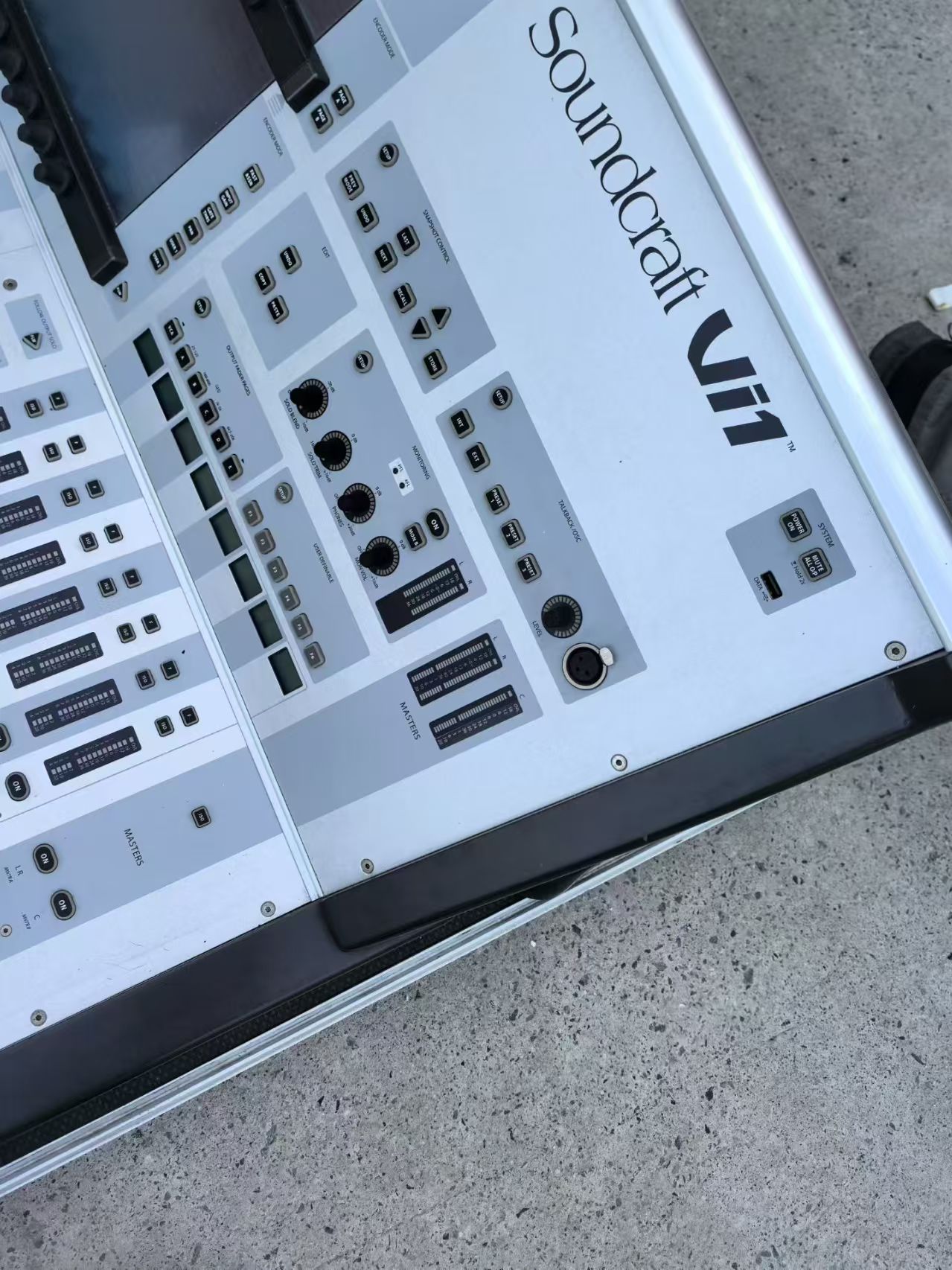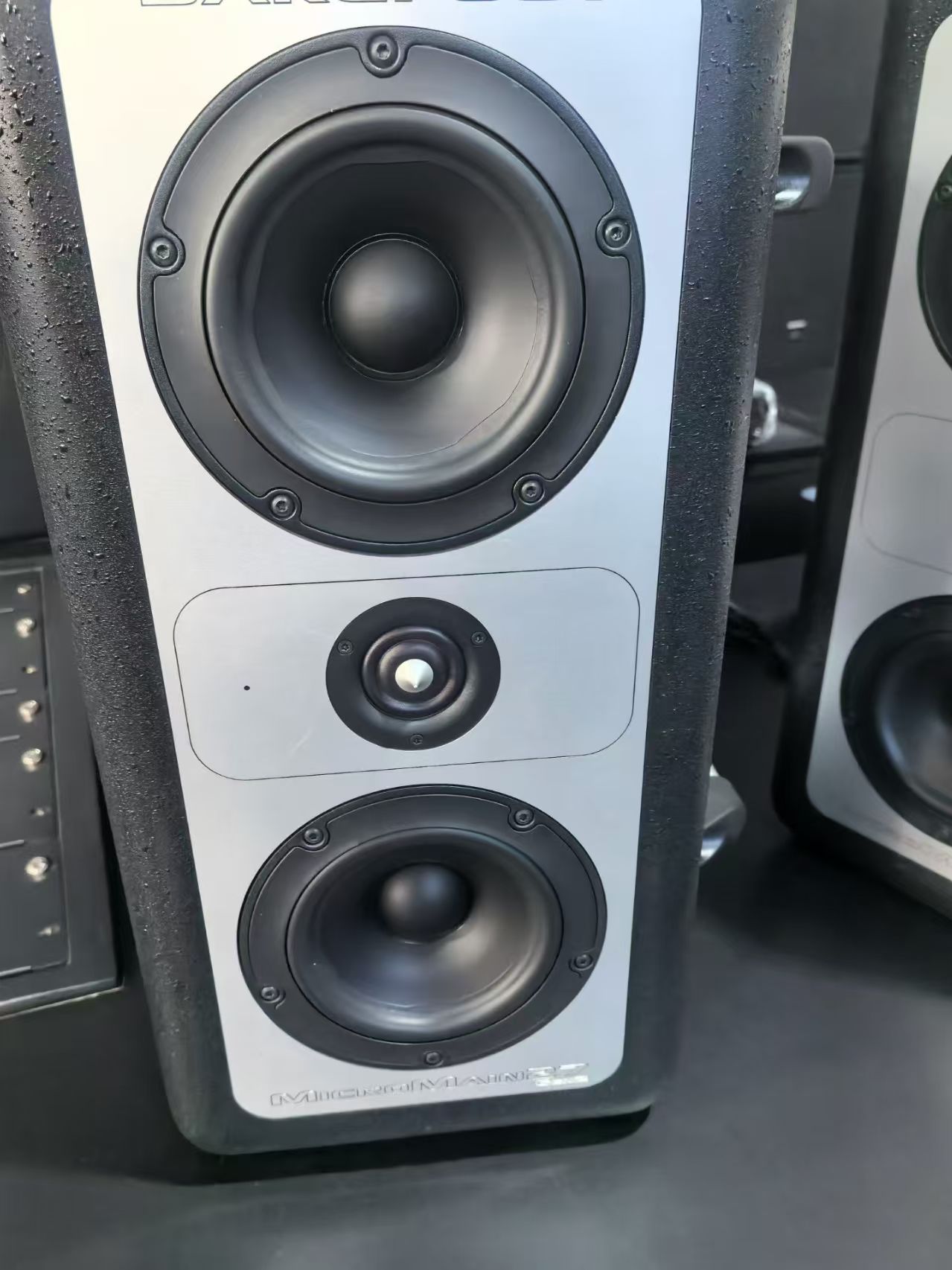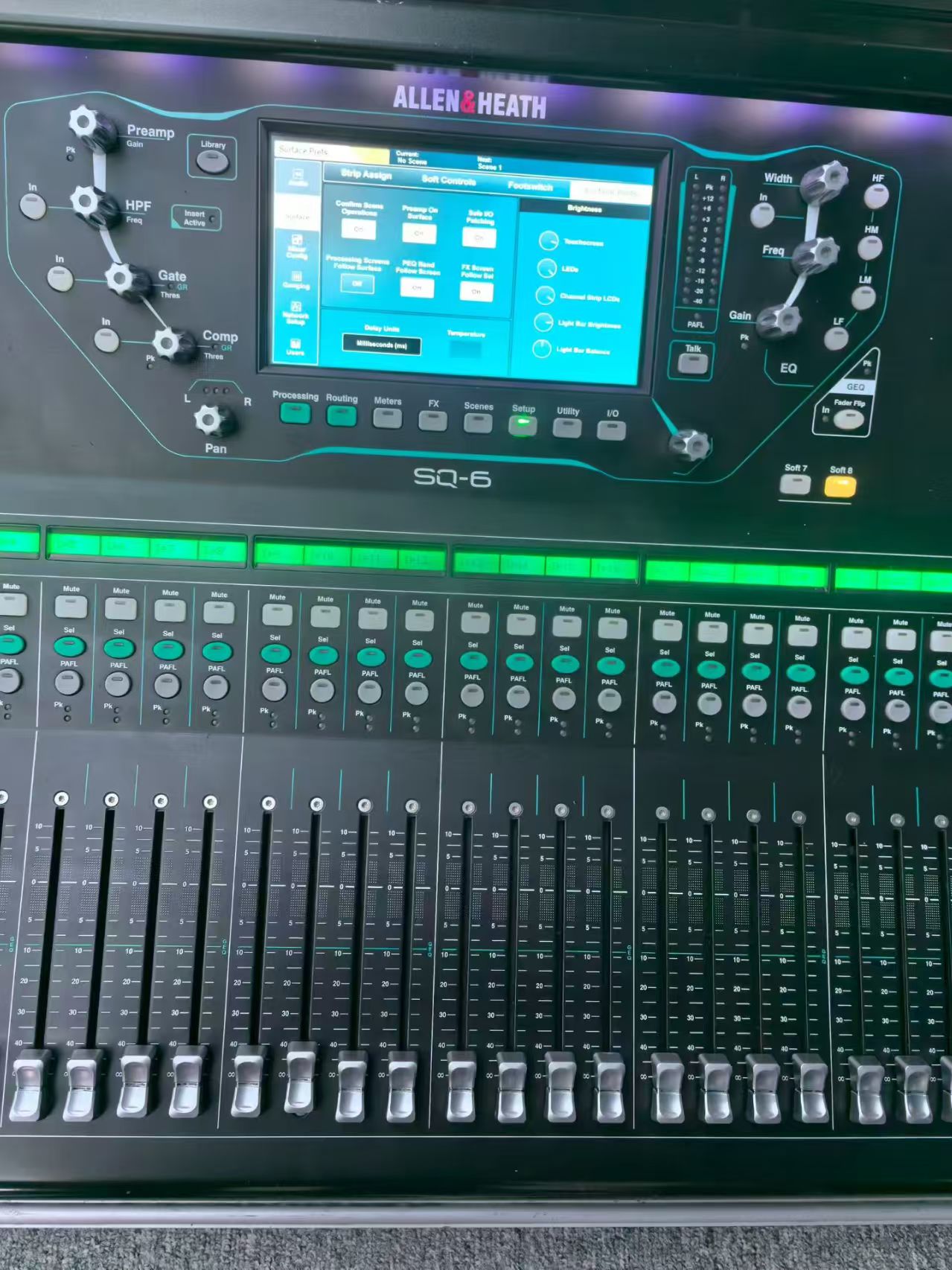
Buying the equipment is the easy part. Importing it is where first-time buyers most often lose time. Whether you are bringing in a single Allen & Heath SQ-6 or a full container of cabinets, the sequence is the same.
1. Confirm what you are allowed to import
Rules on used electronic equipment differ by country. Check your own import regulations before paying a deposit — some markets restrict or licence second-hand electronics, others do not.
2. Agree the trade term
Decide up front whether you are buying FOB (you arrange freight) or CIF / DDP (we arrange it). This single choice determines who books the shipment and who pays which costs.
3. Documents we prepare
For every shipment we prepare the commercial invoice, packing list and the export documentation required at origin. Tell us your destination port early so the paperwork matches your customs broker's expectations.
4. Inspect before packing
Because used equipment is expensive to return across borders, the inspection step matters most. Ask for a photo or video record of the test before the pallet is closed.
5. Plan the lead time
Air freight is fast and expensive; sea freight is the reverse. For full systems, sea freight usually wins on landed cost — plan your opening date around it rather than the other way around.