If you're building or expanding a PA system on a budget, a used power amplifier can be a smart buy—but only if you know what to look for. Unlike mixers or speakers, amplifiers work hard and often fail gradually. A unit that powers on and passes signal might still have weak channels, distorted output, or thermal issues that only appear under load. This guide walks you through the evaluation process so you can buy with confidence.
Why Used Amplifiers Make Sense for Volume Buyers
For KTV operators, touring companies, and venue owners in Russia, the Middle East, South America, and Africa, new flagship amplifiers are expensive and often overkill. Many proven models from Crown, QSC, Lab.gruppen, and Powersoft have been on the market for years, with parts and service documentation widely available. Buying used lets you put more budget into speakers and processing, where the audible difference is often greater. But the used market is not uniform: some units come from rental fleets with heavy hours, while others are pulled from fixed installations with light use. Knowing the source matters.
At Panda Acoustics, we test every amplifier under load before it ships. We don't just check that it turns on—we run it at rated power for a period, measure distortion, and verify thermal behavior. That said, not every seller does this. When you buy from other sources, insist on test data or a return option.
Key Inspection Points for Used Power Amplifiers
Start with a visual inspection. Look for signs of overheating: discolored circuit boards, bulging capacitors, or a burnt smell. Check the fan and heatsinks for dust buildup—heavy dust often indicates a poorly maintained unit. Next, test each channel independently with a known load. A common trick is to run a sine wave sweep and listen for distortion or sudden dropouts. If you can, use an oscilloscope to check for clipping behavior and DC offset on the outputs.
Ask about the history: was it used in a touring rack or a fixed install? Touring amps endure vibration and temperature swings, which can lead to solder cracks. Fixed installs are usually gentler but may have been running continuously for years. Either way, capacitors age. If the unit is more than ten years old and has never been serviced, budget for a recap.
Matching Amplifier to Speakers and Application
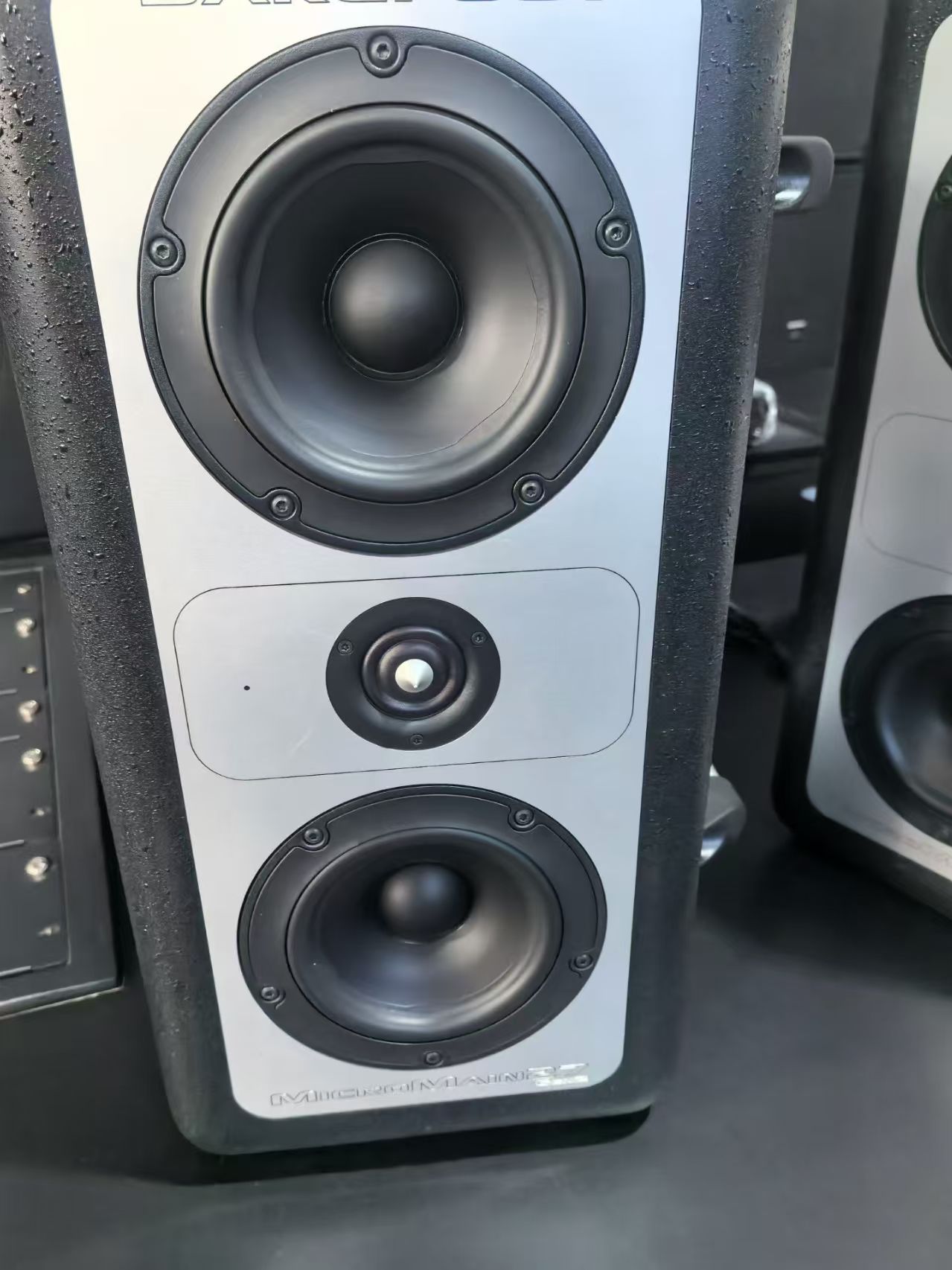
Power rating is not just about watts—it's about clean headroom. For a PA system, you want an amplifier that can deliver at least the speaker's continuous power rating, ideally with a few dB of headroom. If you're powering a two-way full-range speaker like the Two-Way Full-Range PA Speaker, check its impedance and power handling. For KTV rooms, where program material is mostly vocals and midrange, you can often get away with less power, but clipping is still the enemy. Distortion kills tweeters faster than excess power.
Consider the amplifier's class: Class AB is common in older amps and runs hot but is robust; Class D is lighter and more efficient but may have different failure modes. Neither is inherently better—it depends on your needs. For touring, weight and efficiency matter. For a fixed bar install, a heavy Class AB amp might be fine and cheaper to repair.
Testing Before You Buy: What to Demand
If you're buying remotely, ask for a video of the amp running a test tone through each channel with a load connected. Look for consistent volume across channels and no crackling when you tap the chassis. Ask for a photo of the inside—if the seller refuses, walk away. A reputable seller will have nothing to hide. If you're buying locally, bring a small speaker and a signal source to test on the spot. Run it for at least 15 minutes to let it warm up; some faults only appear when hot.
For volume buyers, we recommend ordering one sample unit first. Test it thoroughly in your own environment. If it passes, you can negotiate for more with confidence. This is especially important when buying brands with known counterfeit issues—always verify serial numbers with the manufacturer when possible.
Common Pitfalls and How to Avoid Them
One frequent mistake is buying an amplifier that's too old or too obscure. If you can't find a service manual or replacement parts, a simple failure becomes a paperweight. Stick to brands with strong aftermarket support. Another pitfall is ignoring the mains voltage. Russia and parts of Africa use 220-240V, while some Middle Eastern countries use 230V with different plug types. Make sure the amp can be configured for your voltage, or budget for a step-down transformer.
Also, don't overlook the cost of racking and cooling. A used amp might be cheap, but if it needs a new fan, filters, and a dedicated circuit, the total cost adds up. Factor in these expenses before you commit.
Where to Find Reliable Used Amplifiers
Panda Acoustics specializes in tested used professional audio equipment. We source amplifiers from reputable trade-ins and decommissioned installations, then run them through a multi-point inspection. While we don't publish fixed prices or warranty terms on our website—because every deal is different—we're transparent about condition and test results. Browse our products to see what's currently available, or contact us with your requirements. For a broader overview of importing used gear, see our importing guide.
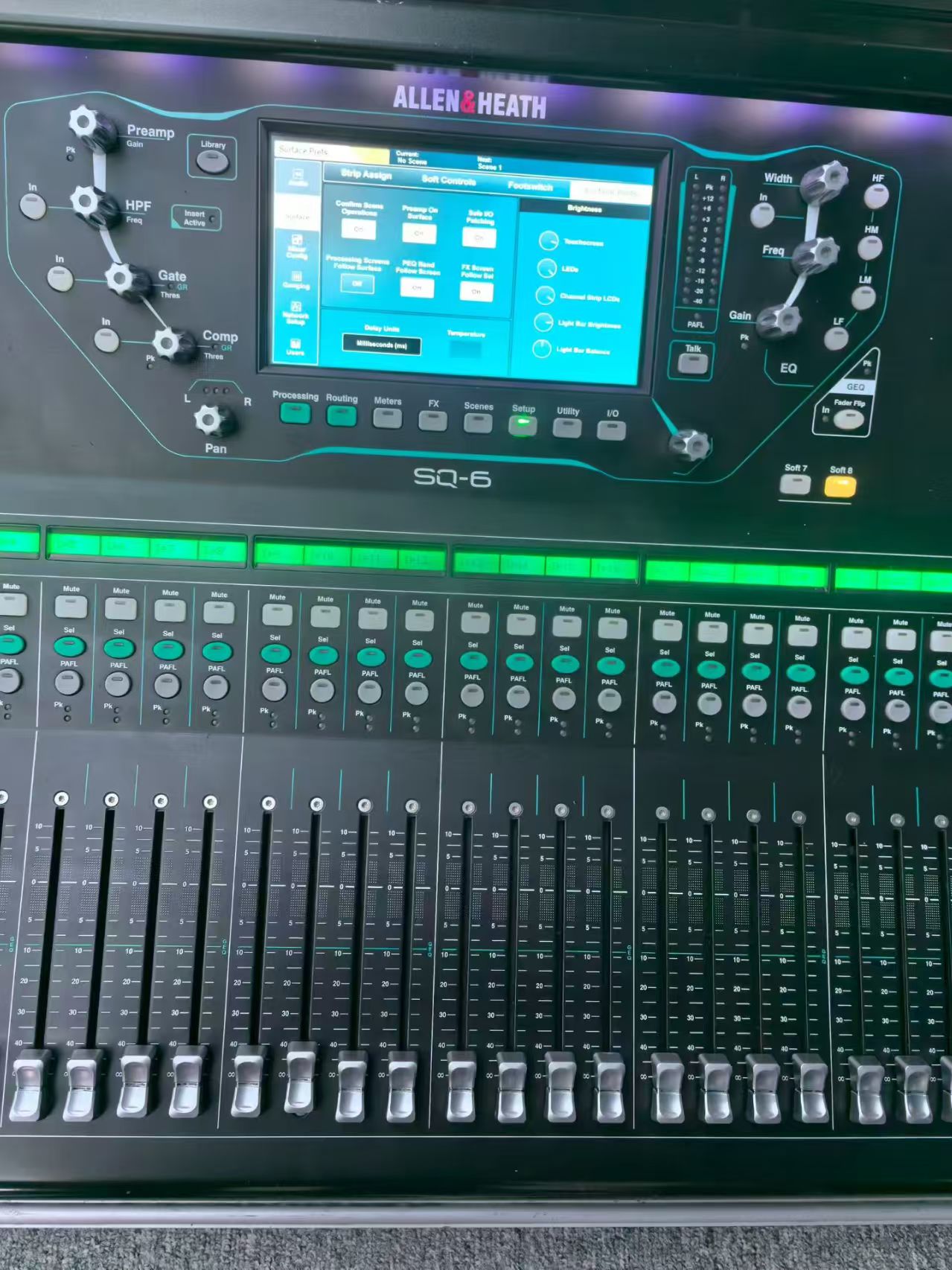
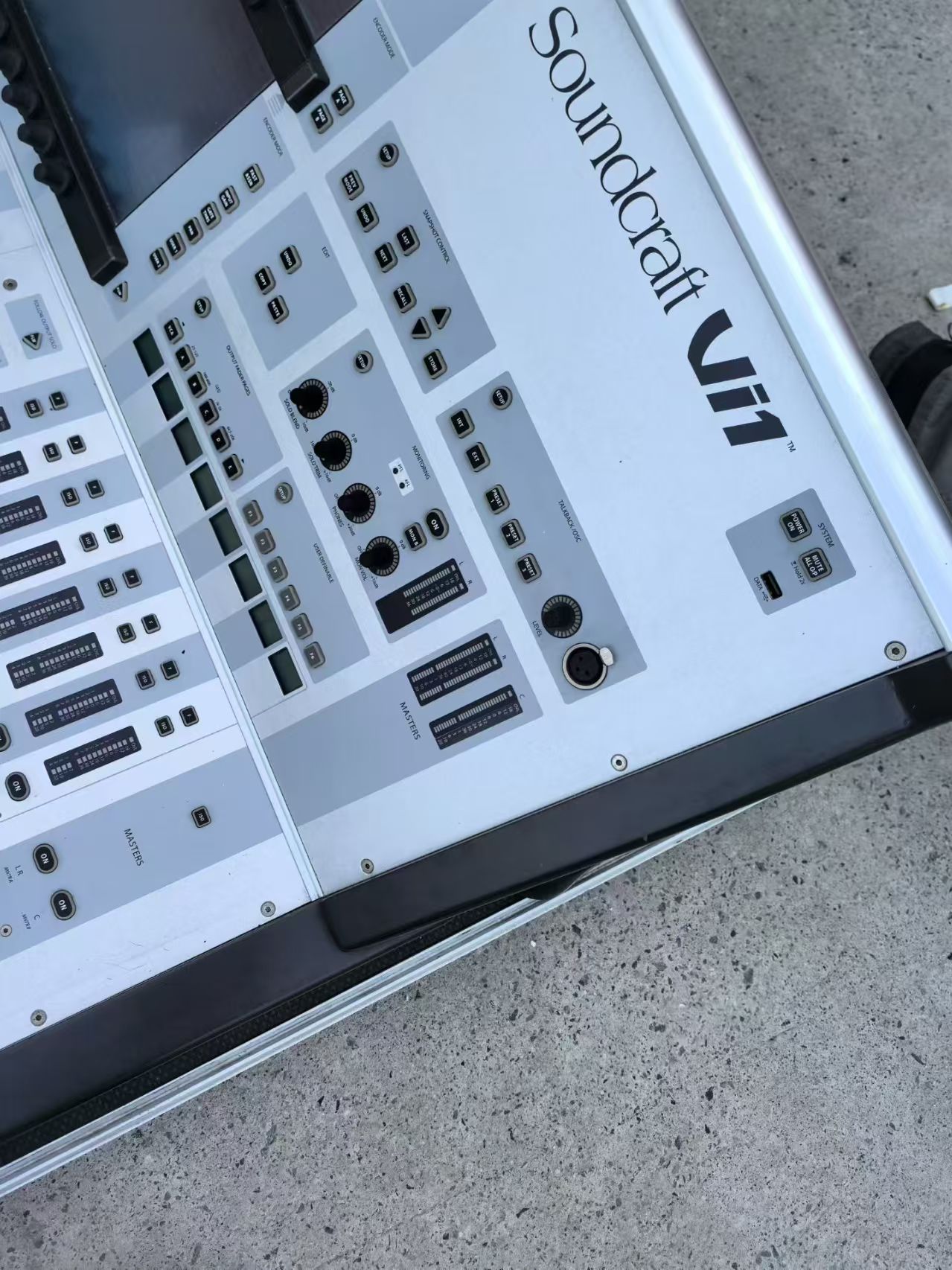
If you're building a complete system, you might also need a mixer. Check our rankings of best used digital mixing consoles for ideas. And if you're setting up a KTV or bar, our KTV sound system solutions page outlines typical configurations.