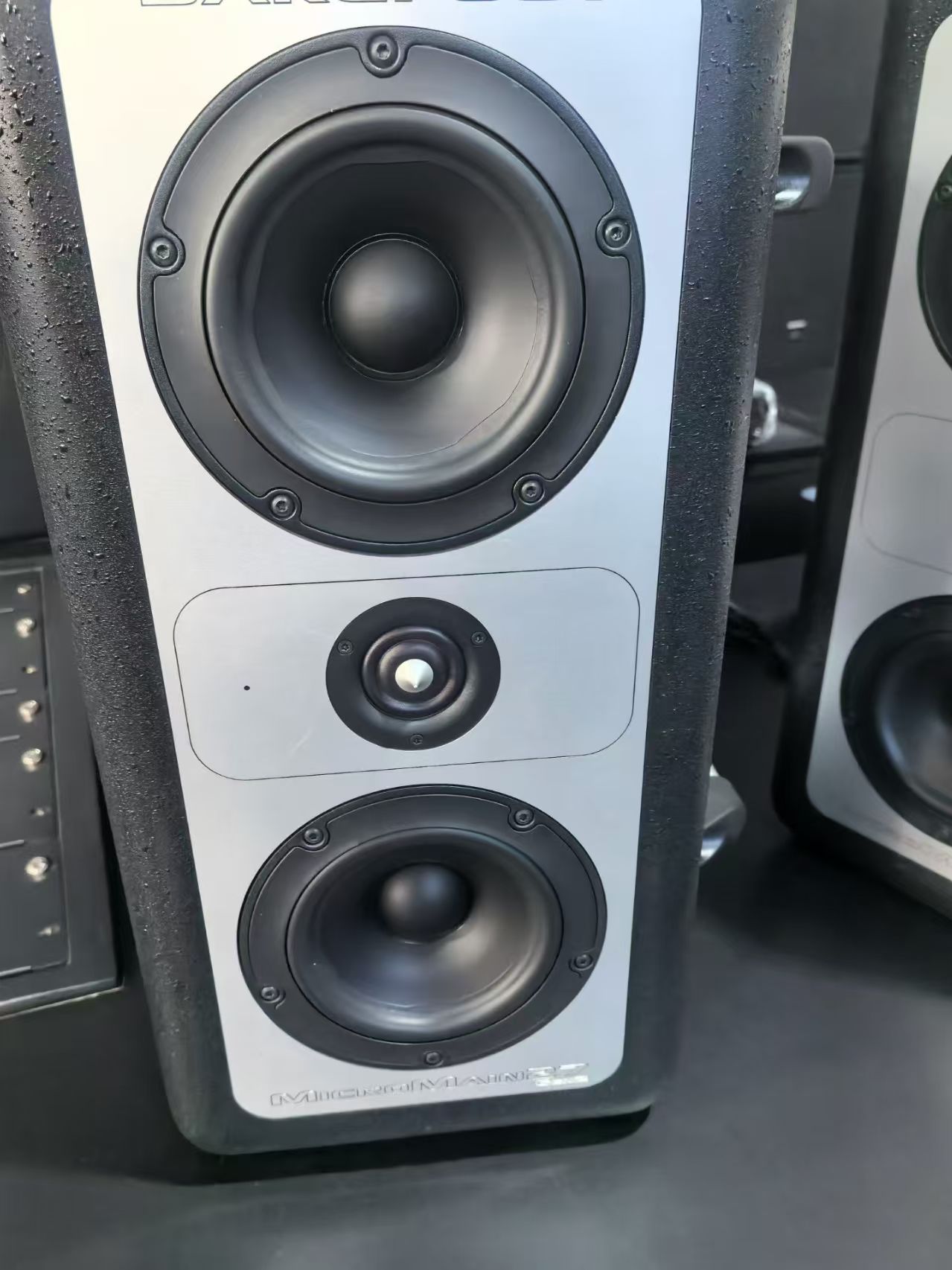
If you are searching for a used line array system, you already know the appeal: professional performance at a fraction of new cost. But the used market is not uniform. Some systems are retired from rental fleets after years of hard touring. Others come from fixed installs and have seen lighter use. Your job is to separate the two before you send money.
This guide covers the practical checks that matter when you are buying volume. It is written for KTV operators, touring companies, and bar or club owners in Russia, the Middle East, South America, and Africa who need reliable gear, not sales talk.
Start With the Boxes, Not the Brochure
Line array elements are the core of the system. Ask for photos of every cabinet, not just one. Look for mismatched paint, different grille styles, or serial number ranges that do not line up. A mixed batch can mean the seller pieced together a system from multiple sources. That is not automatically bad, but it affects how you plan spares and how consistent the sound will be across the array.
Check the rigging hardware closely. Bent fly bars, missing quick-release pins, or worn rigging plates are common on ex-tour systems. Replacing rigging is possible, but it adds cost and time. If the seller cannot show clear photos of the rigging, treat it as a risk. For a detailed checklist, see our used line array inspection checklist.
Drivers and Horns: The Expensive Parts
Replacement drivers are the biggest hidden cost in used line arrays. Ask the seller to remove grilles and photograph the cone and horn assemblies. Look for recone marks, glue residue, or mismatched driver models. A system with all-original drivers in good condition is worth more than one with a mix of aftermarket parts.
If the seller cannot provide driver photos, assume the worst. You can still buy, but price it as if you will need to replace several drivers. For high-volume buyers, it is often better to find a system where the seller has already documented driver condition.
Amplification and Processing
Many used line array systems come with dedicated amps and processors. Others are sold as passive boxes only. Know which you are buying. If amps are included, ask for photos of the rear panels and any error logs. If the amps have been run hard, capacitors and fans may be near end of life.
Processing is another factor. Older line array processors may still work, but they can be difficult to service. If the system uses a proprietary processor, confirm that the seller has the software and cables. Without them, you may be stuck with a system you cannot tune.
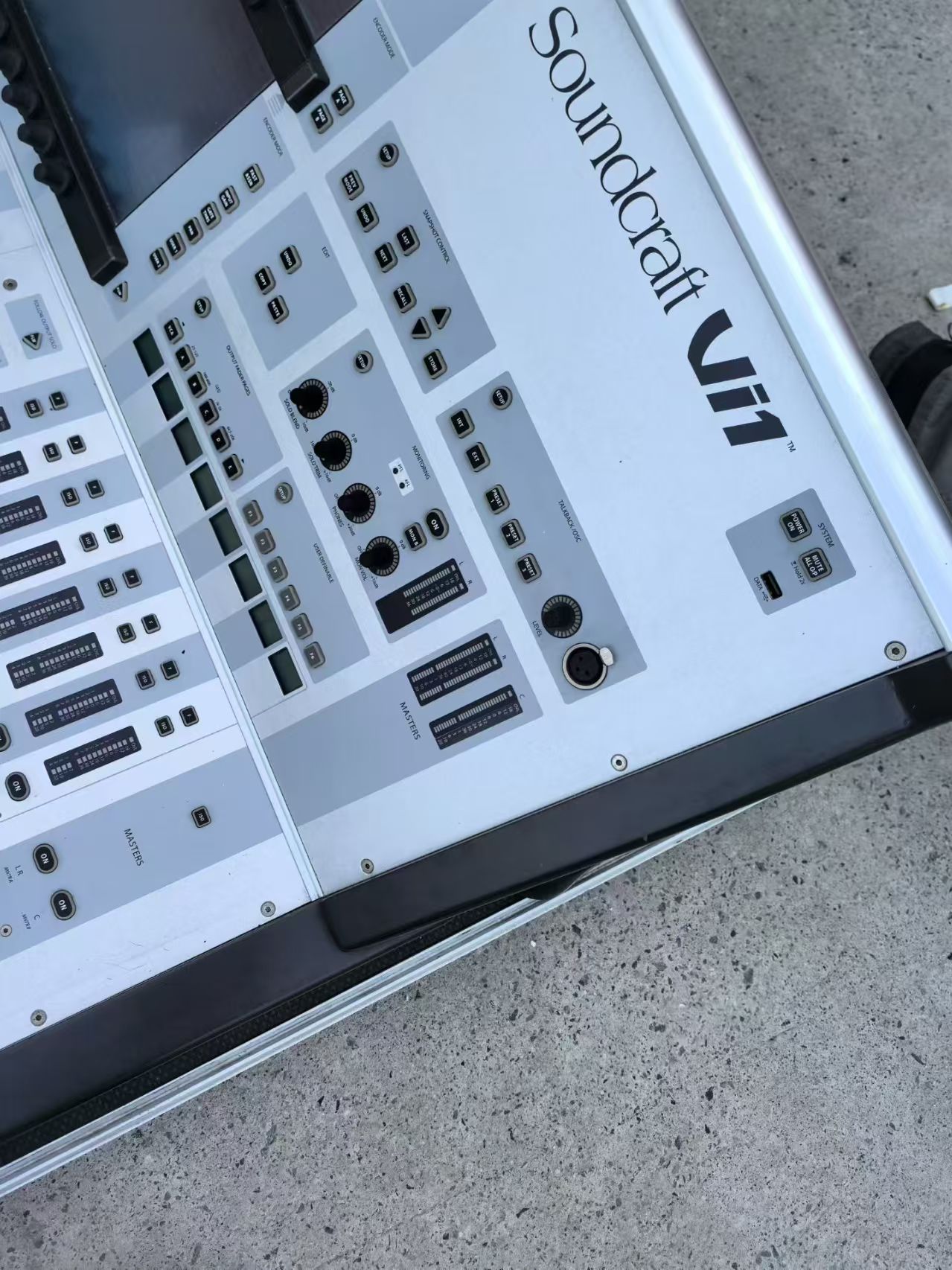
For mixed setups, many buyers pair line array elements with a digital mixer. Used consoles like the Soundcraft Vi1 or Allen & Heath SQ-6 are common in touring and club racks. Both are well documented and have available service information.
What About Subs and Fill?
A line array system is rarely just the main hangs. You will need subwoofers, and often front fill or delay speakers. If the seller is offering a complete package, check that the subs match the mains in output and impedance. Mismatched subs can be harder to integrate than a mixed main array.
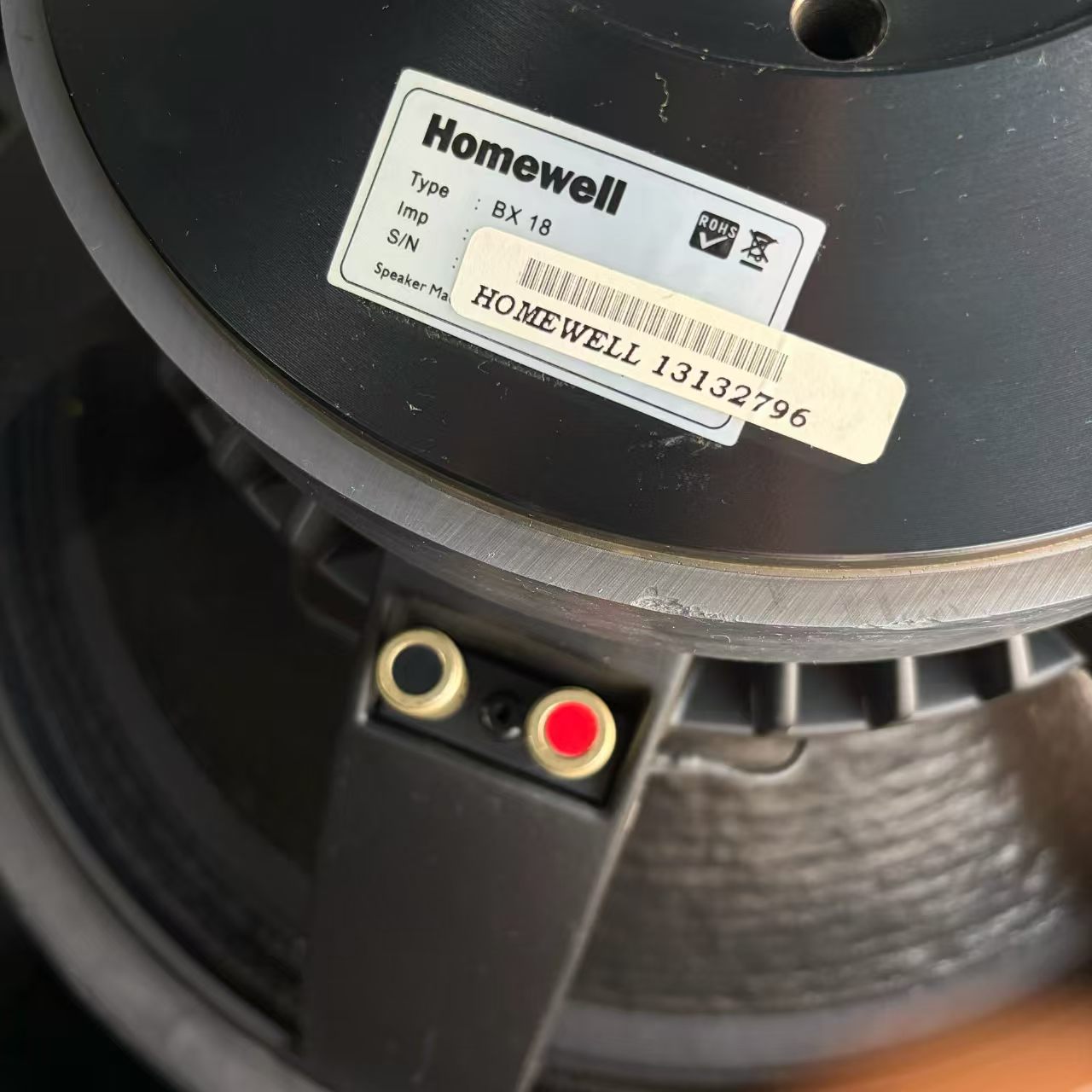
For smaller rooms, a two-way full-range PA speaker can handle fill or delay duties. For high-output subwoofer applications, the Homewell BX18 is a commonly available used option. It is a single 18-inch unit, so you can scale the sub array to your venue.
Importing and Logistics
Most used line array systems sold from China are shipped in flight cases or on pallets. Confirm whether the seller is providing cases. Road-ready cases add significant value and protect the gear in transit. If cases are not included, budget for crating and insurance.
Import rules vary by country. Russia, the Middle East, South America, and Africa all have different customs procedures and duty rates. Work with a freight forwarder who has experience with used professional audio. They can advise on documentation and inspection requirements. Our importing used audio equipment guide covers the general process.
Testing Before You Commit
If you can visit the seller's warehouse, do it. Bring a test signal and listen to each box individually. Check for rattles, distortion, and driver buzz. If you cannot visit, ask for a video call where the seller powers up the system and plays pink noise through each element. This is not a substitute for in-person testing, but it catches obvious faults.
For remote buyers, agree on a third-party inspection if the order is large. The cost is small compared to shipping a dead system across borders. A good inspector will check drivers, rigging, and amplifier function, and provide a written report.
Matching the System to the Venue
Line arrays are not one-size-fits-all. A system that works in a 5,000-seat touring hall may be overkill for a 300-capacity KTV room. Conversely, a small array may not cover a large club. Before you buy, map out your typical venues: room dimensions, ceiling height, and audience size.
For KTV and small clubs, a compact line array with 8-inch or 10-inch elements is usually sufficient. For touring and large clubs, 12-inch or larger elements are more appropriate. If you are unsure, consult a system designer. The cost of a design is minor compared to buying the wrong rig.
If you are building a complete KTV or club system, our KTV sound system and bar and club sound system pages outline typical configurations. For touring, see concert touring system.
Making the Decision
Buying a used line array system is a balance of condition, completeness, and price. Do not rush. Ask for documentation, photos, and test results. If the seller is evasive, walk away. There is always another system.
When you are ready to compare options, browse our products or contact us with your requirements. We supply tested used professional audio equipment from China, and we are happy to answer specific questions about condition and availability.