When you're buying subwoofers for a KTV chain, a touring rig, or a club install, a used pair can be a smart way to get more output for your budget. But the used market is full of cabinets that look fine in photos and fail on the first heavy night. This guide covers what to check before you wire money.
Why Pairs Matter
Subwoofers are often sold in pairs because they are matched acoustically and physically. A single used sub can be hard to integrate with an existing system, especially if it's from a different production run or has been reconed. A factory-matched pair gives you consistent output and easier processing. For KTV rooms and small clubs, two subs are usually the minimum to get even low-frequency coverage without pushing one cabinet into distortion.
If you're building a larger system, buying multiple pairs from the same batch is ideal. But even a single well-maintained pair can anchor a bar or club system. The key is to verify that both units are in similar condition and have matching drivers.
What to Inspect on a Used Subwoofer
Start with the cone and surround. Look for tears, creases, or signs of re-gluing. A recone is not automatically bad, but it must be done with the correct kit. Ask for photos of the cone from multiple angles. If the seller can't provide them, walk away.
Next, check the basket and magnet. Rust on the basket is common in humid climates, but heavy corrosion can indicate water damage. The magnet should be intact with no cracks or chips. For neo magnets, look for any signs of impact.
Test the voice coil. A simple multimeter reading can tell you if the coil is open or shorted. Ask the seller for the DC resistance reading of each driver. It should be close to the nominal impedance, but not exactly—for example, an 8-ohm driver might read around 6 ohms. If the reading is far off or zero, the driver is likely bad.
Push the cone gently. You should feel smooth resistance and hear no scraping. A scraping sound means the coil is rubbing, which will only get worse. This is a common failure point in subs that have been driven hard.
Cabinet and Hardware Checks
The cabinet takes a beating in transport. Check for cracks in the plywood, especially around the baffle and back panel. Look at the corners—if they are heavily dented, the cabinet may have been dropped. Water damage often shows as swelling or delamination. A swollen cabinet will never sound right and is not worth repairing.
Inspect the input panel and connectors. SpeakON connectors are standard, but some older subs use binding posts or 1/4-inch jacks. Make sure the connectors are tight and not corroded. If the sub has a built-in amplifier, test it if possible. Passive subs are simpler and often more reliable in the long run.
Check the grille and handles. A bent grille can be straightened, but missing handles make transport dangerous. Also look at the feet—if they are worn down, the cabinet may have been dragged.
Listening Test (If Possible)
If you can test the sub before buying, do it. Play a sine sweep from 30 Hz to 100 Hz at moderate volume. Listen for rattles, buzzes, or distortion. A clean sub should reproduce low frequencies without any mechanical noise. If you hear a rattle, it could be a loose part or a failing driver.
For a pair, test them together. Play the same signal through both and listen for differences in output or tone. If one is noticeably quieter or sounds different, they are not well matched. This is critical for stereo or multi-sub setups.
If you can't test in person, ask for a video of the subs playing. A short clip with music or a test tone can reveal a lot. But be aware that videos can be edited or recorded with poor audio quality. Use them as a screening tool, not a final proof.
Questions to Ask the Seller
Before you commit, ask about the history. Were they used in a fixed install or on the road? How often were they driven to their limits? What amplifier was used? Have they ever been reconed or repaired? A seller who is evasive or doesn't know the answers is a risk.
Ask for the serial numbers. This can help you verify the age and batch. If the seller refuses, that's a red flag. Also ask about the return policy. Even if you don't expect to return them, a seller who offers a short window for inspection is more confident in their product.
For volume buyers, ask if they have more units from the same batch. Consistency across multiple subs is important for larger systems. If you're buying for a KTV chain, you'll want matching subs in every room.
Where Panda Acoustics Fits
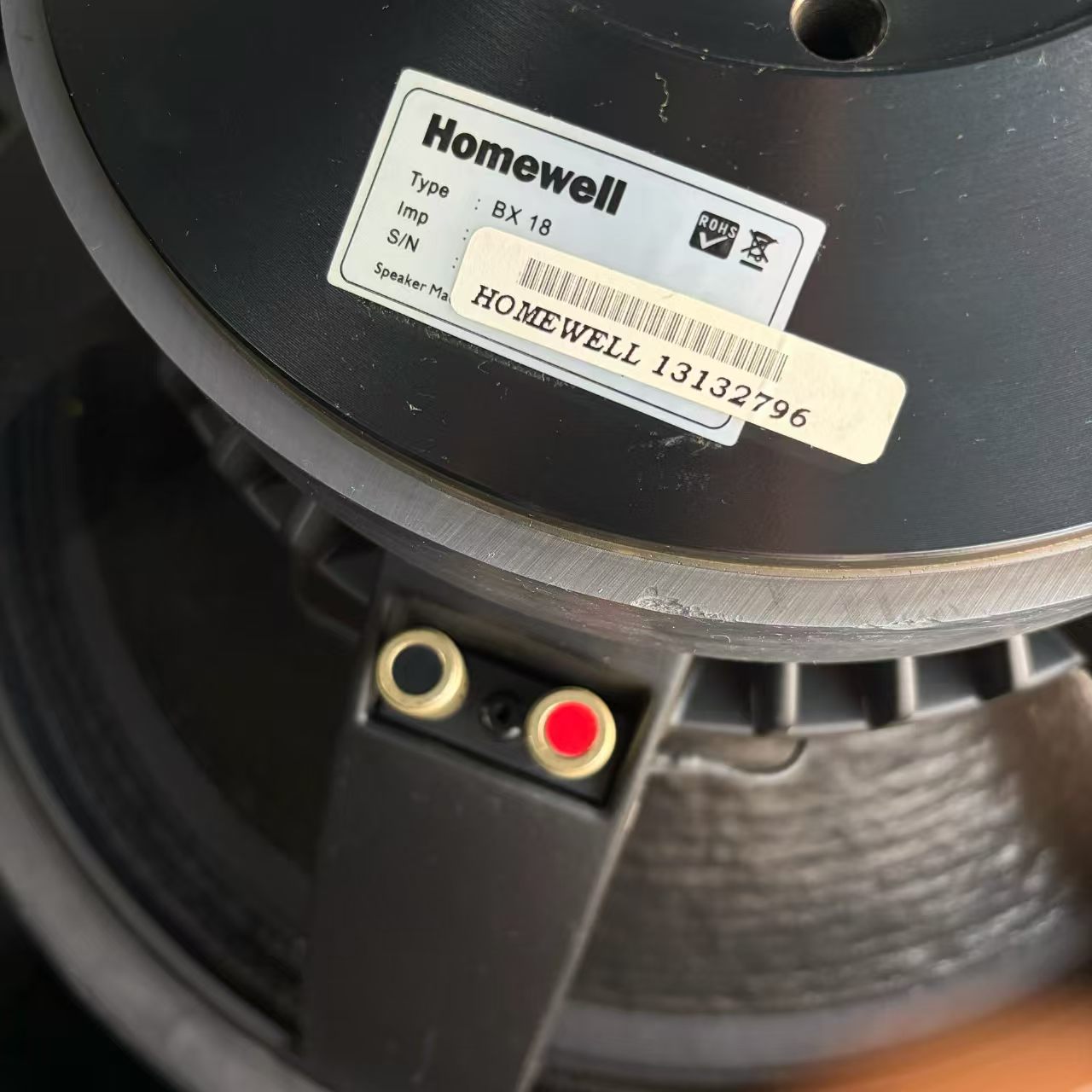
We supply tested used professional audio equipment, including subwoofers like the Homewell BX18. Every unit is inspected and tested before it leaves our facility. We don't invent specs or make promises we can't keep. If you're looking for a used subwoofer pair, we can show you actual condition reports and test results. Contact us to discuss your requirements.