If you run a KTV venue, bar, or rental company, you already know that new speakers are not always the best use of capital. Used KTV speakers can deliver the same output for a fraction of the cost, provided you know what you are buying. This guide covers the practical checks that separate a good deal from a costly mistake.
Why KTV Operators Buy Used Speakers in Volume
KTV rooms are hard on speakers. They run long hours, often at high SPL, and are frequently driven by operators who push systems harder than they should. That means drivers, cones, and cabinets take a beating. But it also means the used market is full of units that were pulled from service for cosmetic reasons or room upgrades, not because they failed.
For buyers in Russia, the Middle East, South America, and Africa, the math is straightforward: a container of tested used speakers can equip multiple rooms for the price of a few new boxes. The key is sourcing from a supplier who actually tests and grades each unit, not one who ships whatever comes off the truck.
What to Inspect on a Used KTV Speaker
When you evaluate used KTV speakers, focus on the components that fail first:
Drivers and cones. Look for tears, creases, or discoloration on the cone. Push gently on the cone to check for voice coil rub. A rubbing coil will fail soon after installation.
Surrounds and spiders. Foam surrounds deteriorate with age and humidity. If they are crumbly or separated from the cone, the speaker needs a recone. Rubber surrounds last longer but can still crack.
Terminals and wiring. Corrosion on terminals is common in humid climates. Check that spring clips or binding posts are intact and that internal wiring is not brittle.
Cabinet and grille. Deep gouges, swollen MDF, or bent grilles are usually cosmetic, but they can indicate rough handling. A swollen cabinet may have been stored in damp conditions, which affects the driver.
Impedance and power rating. Confirm the nominal impedance and continuous power handling. KTV amplifiers are often matched to specific loads, and a mismatch can cause overheating or poor performance.
Common Models and What They Suit
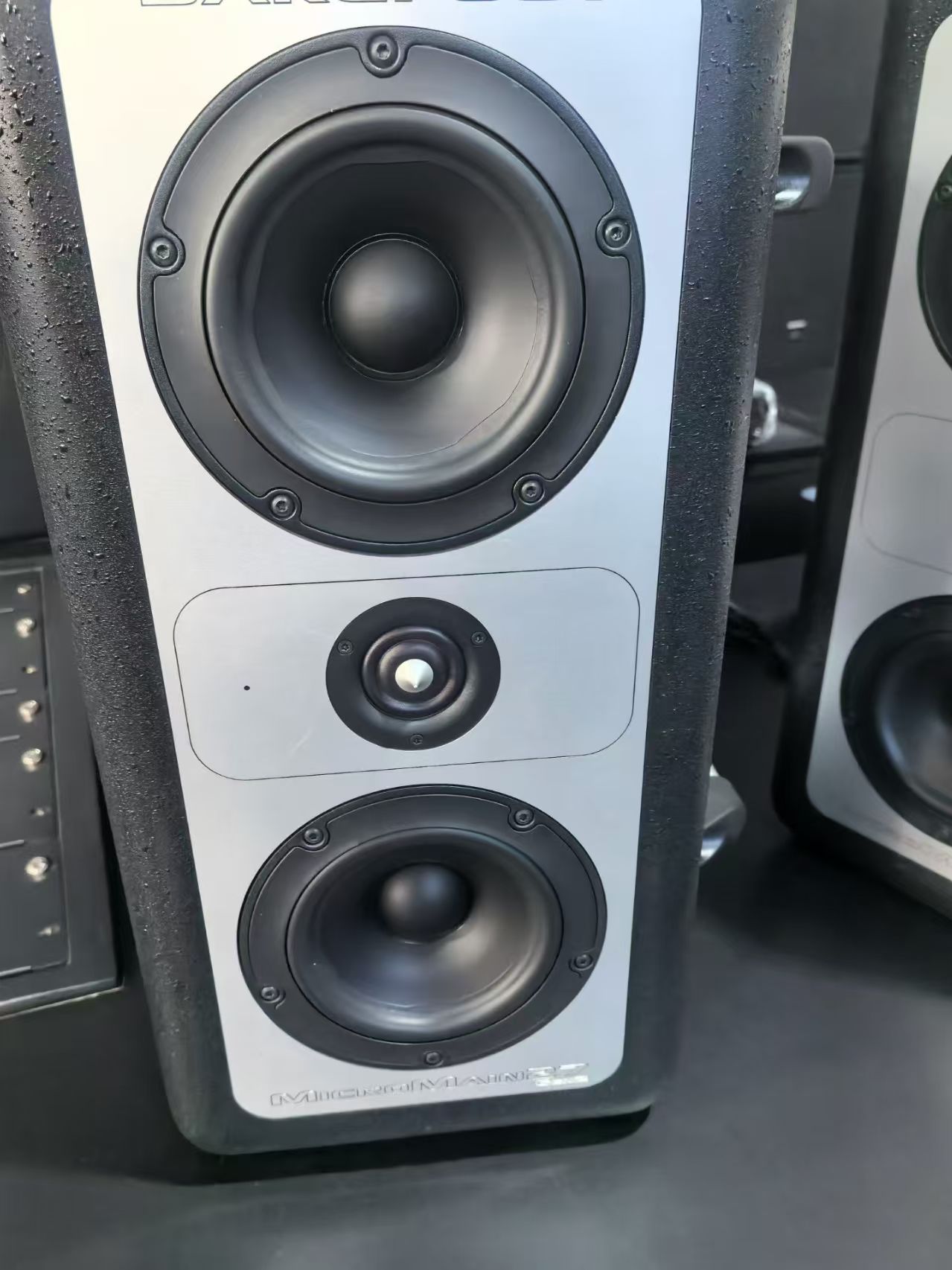
Not all KTV speakers are the same. Two-way full-range boxes are the workhorse for small to medium rooms. They are easy to drive, easy to replace, and available in large quantities on the used market. If you need a general-purpose option, look at a Two-Way Full-Range PA Speaker.
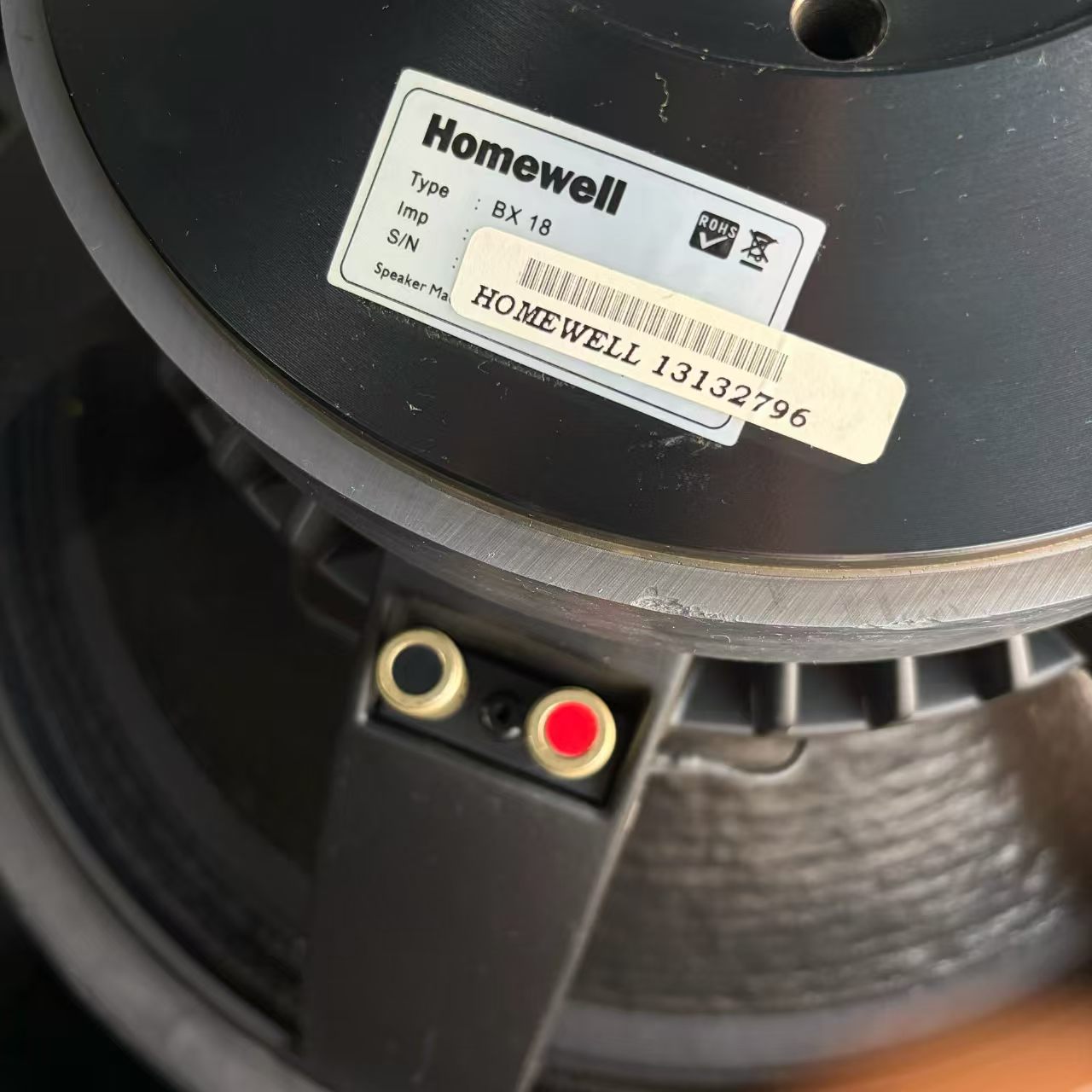
For larger rooms or venues that need more low-end output without a separate subwoofer, an 18-inch unit like the Homewell BX18 Loudspeaker Unit is a common choice. It handles high SPL and is often used in KTV rooms that double as small clubs.
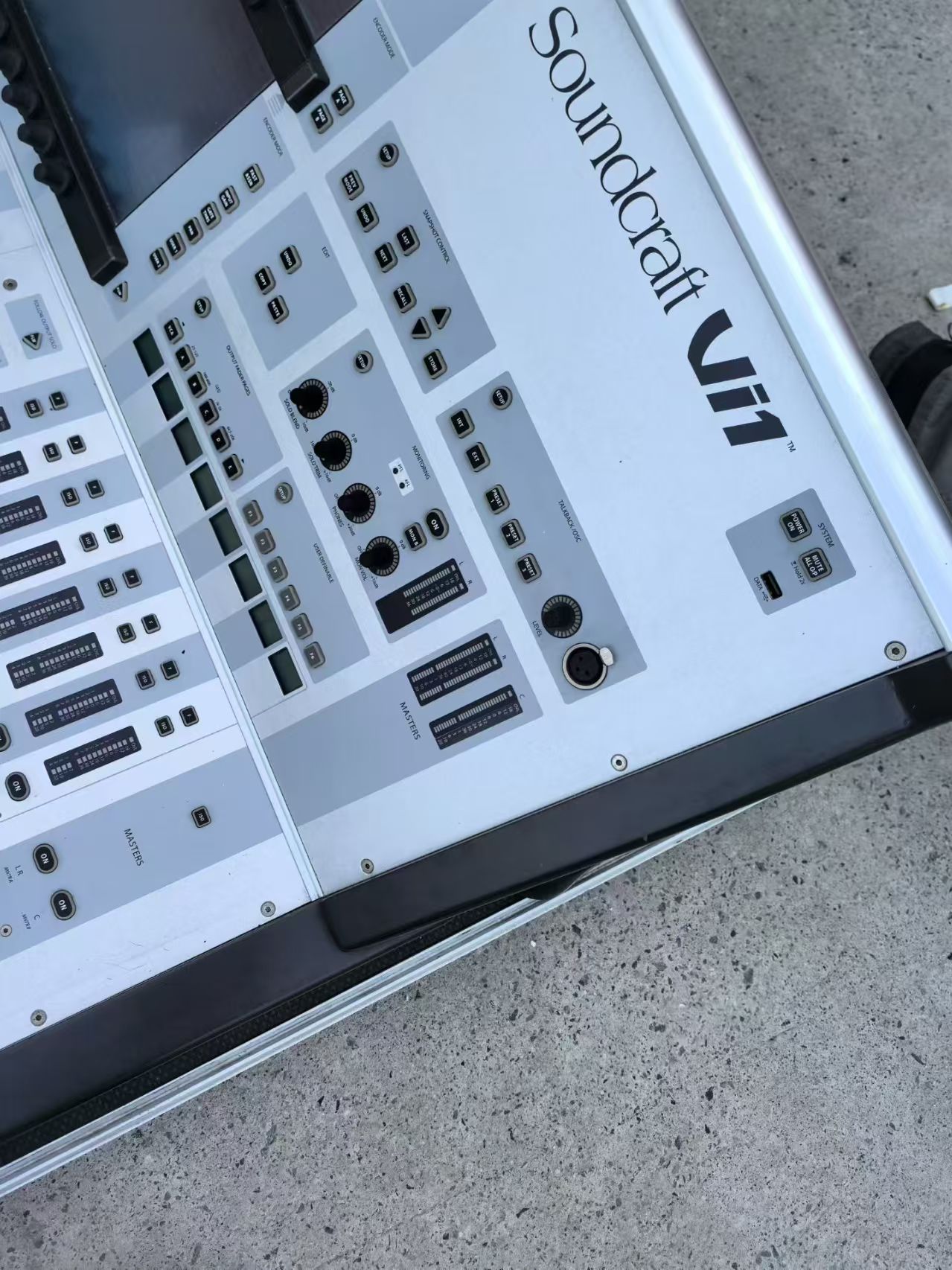
If you are building a complete KTV system, you will also need mixing and processing. Used digital consoles such as the Allen & Heath SQ-6 or Soundcraft Vi1 can be found in good condition and offer reliable performance for fixed installs.
How to Vet a Supplier
Buying used equipment from overseas requires trust. You cannot inspect every unit yourself, so you rely on the supplier's process. Ask specific questions:
- Do they test each speaker individually, or only spot-check?
- What test signal do they use, and do they measure impedance and frequency response?
- Can they provide photos or video of the actual units you will receive?
- How do they pack for ocean freight, and what happens if a unit arrives damaged?
A supplier who cannot answer these questions clearly is a risk. For more detail on importing, see our importing used audio equipment guide.
Pricing and Quantity: What to Expect
We do not publish prices because they depend on model, condition grade, quantity, and current market supply. What we can tell you is that volume buyers typically get better per-unit pricing, and that condition grade has a bigger impact on price than brand name alone.
When you request a quote, specify the room size, amplifier power, and how many units you need. That lets us match you with the right stock instead of guessing. For a deeper dive into KTV-specific buying, read our used KTV speaker buying guide.
Frequently Asked Questions
Q: Can I mix different models in one KTV system?
A: It is possible, but not ideal. Different sensitivities and frequency responses can make rooms sound inconsistent. If you must mix, keep similar models in the same room and calibrate with a DSP.
Q: How long do used KTV speakers last?
A: That depends on condition and how hard you drive them. A tested unit with good drivers can give years of service in a KTV room. Factors like humidity, amplifier clipping, and regular maintenance matter more than age alone.
Q: Do you test speakers before shipping?
A: Yes. Every unit is inspected and tested for basic function. We can share test results and photos for the specific batch you are considering.
Q: What is the minimum order quantity?
A: MOQ varies by model and stock. Contact us with your target quantity and we will confirm what is available.