If you are sourcing used PA speakers in volume, you already know the market is full of listings that look good in photos but arrive with blown drivers, water damage, or mismatched components. This guide is for buyers who need to fill a warehouse, not a hobbyist looking for one cabinet. It covers what to check before you commit, how to structure a wholesale order, and how to avoid the most common traps when importing from China.
Start with the real condition, not the listing title
Used professional audio gear is graded by function, not by appearance. A speaker that looks clean but has a rubbing voice coil is worthless. A scuffed cabinet with original drivers and a clean impedance sweep is a working asset. When you buy wholesale, insist on seeing test data for each batch: impedance curves, sweep tests, and photos of the actual drivers. If a supplier cannot provide that, you are buying lottery tickets.
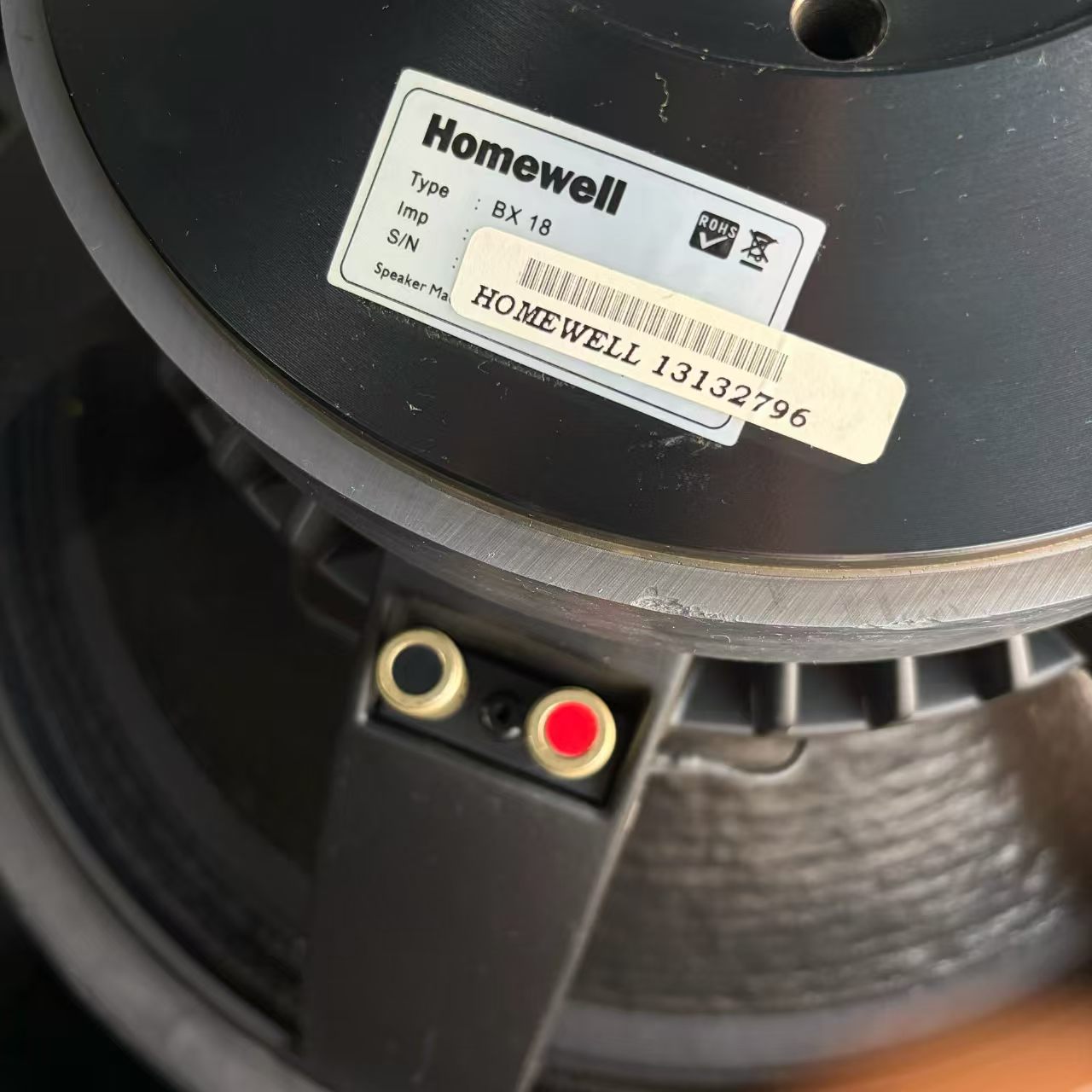
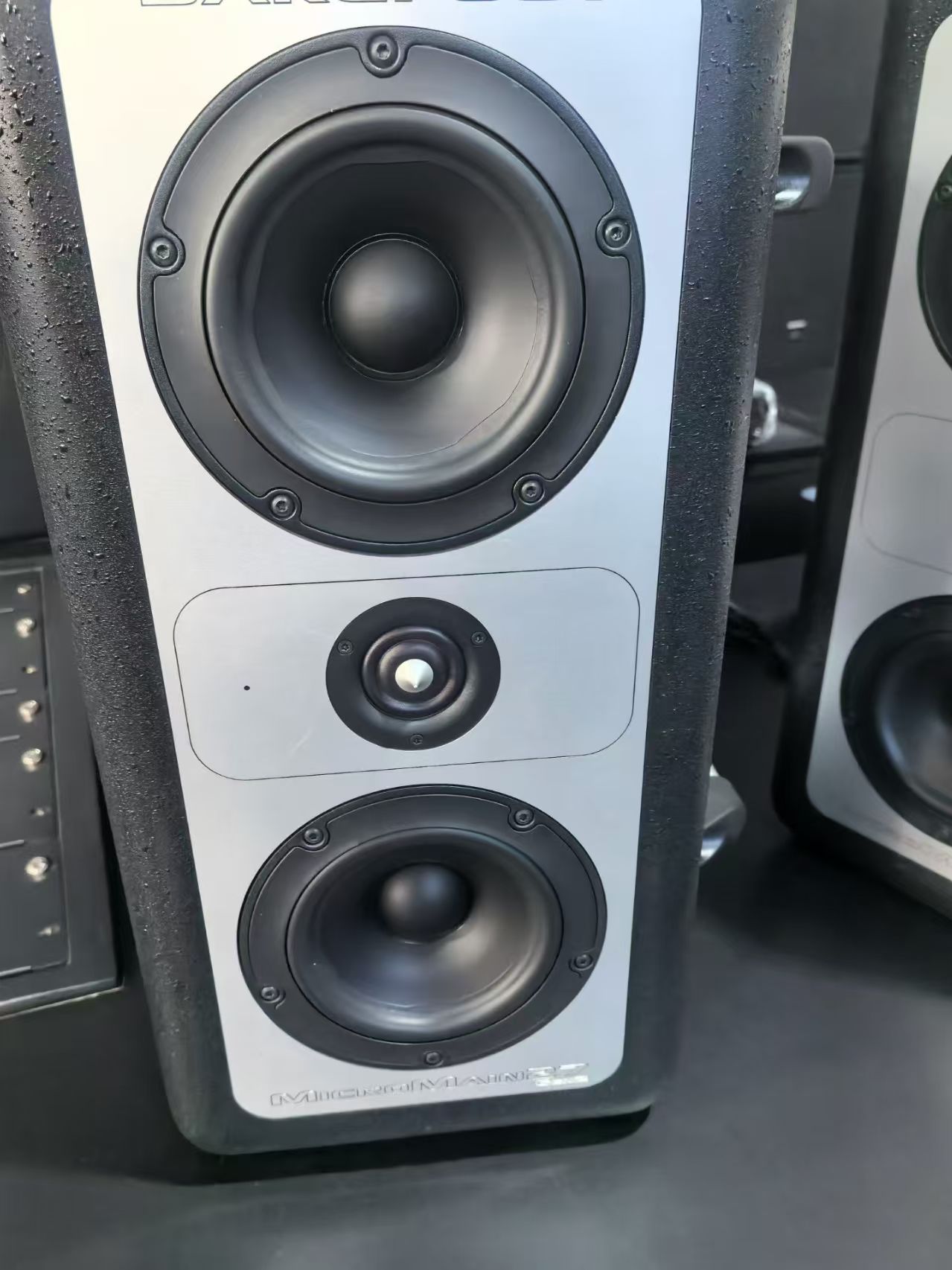
For a two-way full-range cabinet, the critical checks are the compression driver diaphragm, the woofer cone and surround, the crossover network, and the input panel. Ask for a short video of each unit playing at moderate level. This is not a guarantee, but it filters out the worst stock. For subs like the Homewell BX18, check the cone for creases, the spider for sag, and the terminals for corrosion. A sub that has been driven hard in a KTV room may still work but have a softened suspension that will fail under touring use.
If you are buying for KTV or bar installs, the duty cycle is different from touring. KTV boxes often run long hours at moderate levels. Touring boxes get pushed hard and moved constantly. Be honest about the end use and buy accordingly. A used two-way full-range speaker that is fine for a bar may not survive a concert season.
Wholesale means batches, not single units
True wholesale pricing comes from volume and consistency. If you mix brands and models, you lose the ability to buy replacement parts in bulk and you complicate your own inventory. Pick one or two models that fit your market and buy them in depth. This also makes it easier to negotiate because the supplier knows you are not tire-kicking.
When you request a quote, ask for a breakdown by condition grade. You may get a mix of A, B, and C stock. A-grade should be fully functional with minor cosmetic wear. B-grade may have a replaced driver or a scratched cabinet. C-grade is for parts or non-critical use. Do not let a supplier blend grades without telling you. If you are reselling, your reputation depends on what you deliver.
For a speaker-only order, the most common wholesale unit is the two-way full-range PA speaker. It covers a wide range of applications and is easy to stack and ship. If you need low-end extension, add a batch of dedicated subwoofers. Avoid buying passive and active versions of the same model in one order unless you have a clear plan for both.
Inspection before shipment is not optional
Once you agree on a batch, arrange for inspection before the goods leave China. This can be done by a third-party inspection company or by your own agent. The inspector should test every unit, not just a sample. For speakers, that means a sweep test, a visual check of the driver, and a check of the cabinet for cracks or water damage. For powered speakers, test the amplifier module and all input options.
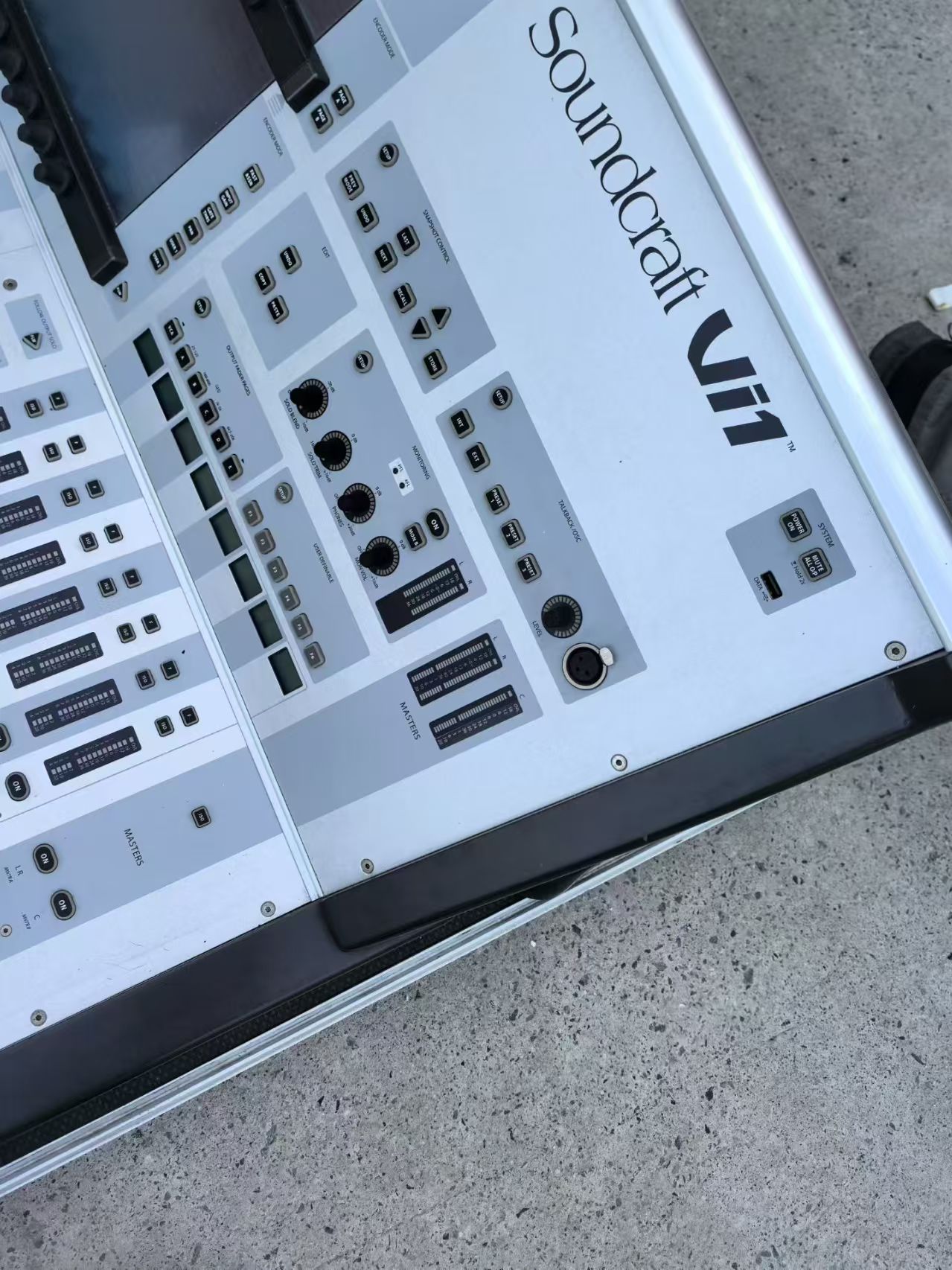
If you are buying mixers as part of the same order, test every channel, every fader, and every output. A used digital mixer like the Allen & Heath SQ-6 or Soundcraft Vi1 can be a great value, but only if it passes a full functional test. Do not accept a mixer that has not been tested with a signal on every channel.
Ask for the inspection report to include serial numbers and photos of each unit. This protects you if the shipment is damaged or if the supplier tries to substitute a different batch. It also helps your own team when they receive the goods.
Shipping and import: plan for the real cost
Speakers are bulky and heavy. Shipping cost is a major part of your landed price. For wholesale orders, sea freight is usually the most economical, but it takes time. Air freight is faster but expensive for heavy items. Consolidate your order with other equipment if possible to fill a container.
Check the import regulations in your country for used electronics. Some countries require a certificate of origin or a fumigation certificate for wooden crates. Others have restrictions on used goods. Your freight forwarder should know the rules for your destination. Do not assume the supplier will handle this. The responsibility is yours.
Packaging matters. Speakers should be wrapped in plastic, then foam, then in a sturdy carton or crate. Grilles can be bent easily. Ask for corner protection. If the supplier uses flimsy packaging, you will pay for it in damaged goods.
Vetting suppliers: what to look for
A good used audio supplier will have a workshop, not just a warehouse. They will be able to show you photos of their testing process and their inventory. They will answer technical questions without guessing. They will not promise you a warranty period that is unrealistic for used gear.
Ask for references from other buyers in your region. A supplier who has shipped to Russia, the Middle East, South America, or Africa will understand the logistics and the expectations. If they only sell domestically, they may not be ready for export.
Payment terms matter. For a first order, a deposit with the balance against a copy of the bill of lading is standard. Do not pay the full amount upfront to a new supplier. If they insist, walk away.
Matching speakers to your market
Different regions have different preferences. KTV operators in Russia often want warm, easy-to-drive boxes that can handle long hours. Bars in the Middle East may need high output in a small package. Touring companies in South America need road-ready cabinets with rugged hardware. Africa has a wide range of venues, from small clubs to large outdoor events.
Buy for your market, not for what is cheap. A batch of used two-way full-range speakers that suits a bar may not suit a touring company. If you are unsure, start with a small trial order and test the market before committing to a container.
If you are building a KTV system, look for speakers with a controlled dispersion pattern and a smooth midrange. For bar and club systems, prioritize output and reliability. For touring, look for cabinets with flyware and a proven track record. The used market has options for all of these, but you have to inspect carefully.
Final checklist before you wire the money
Before you send payment, confirm the following: the exact models and quantities, the condition grade, the test results, the packaging method, the shipping terms, and the inspection report. Get all of this in writing. A supplier who is vague on any of these points is a risk.
Remember that used gear is sold as-is unless you have a written agreement. If you need a functional guarantee, negotiate it before you pay. Most reputable suppliers will offer a short window to report dead-on-arrival units, but they will not cover wear and tear.
Buying used PA speakers wholesale can be profitable if you do the work. Test, inspect, and buy in batches. Skip the shortcuts and you will build a inventory that your customers trust.