If you are buying used full range speaker cabinets in volume, you already know the drill: the photos look great, the price is right, but the real question is what happens when you push them for six hours straight. This guide is for KTV operators, touring companies, and venue owners who need to separate working inventory from scrap. We will cover what to inspect, what to ask, and how to avoid the most common traps.
What 'Full Range' Actually Means in a Used Cabinet
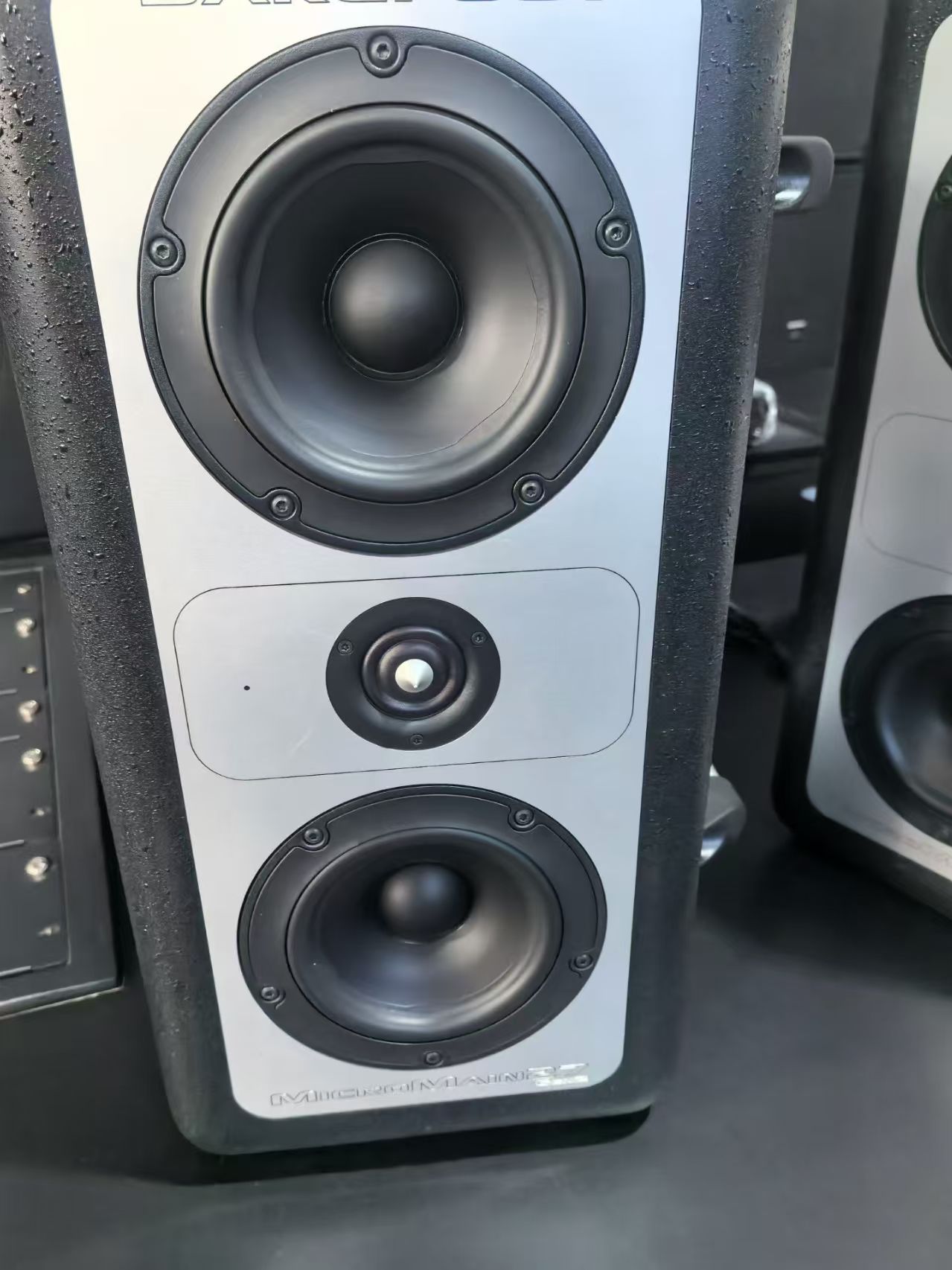
Full range is a loose term. In practice, a full range cabinet tries to cover the vocal and music range without a separate subwoofer. Most two-way designs use a woofer and a horn or compression driver. Some three-way boxes add a midrange. When you buy used, the crossover is often the first thing to fail, not the drivers. Ask the seller to open the cabinet and show you the crossover board. Look for burned resistors, swollen capacitors, or signs of heat. If the seller refuses, walk away.
Another issue is power handling. A cabinet rated at 500W program might have been driven with a 1000W amp and clipped for years. The voice coil may still work but sound thin or distorted at high volume. Always test at the volume level you plan to use, not at a whisper.
Inspection Checklist for Used Full Range Cabinets
Start with the cabinet itself. MDF or plywood? Plywood is lighter and more moisture-resistant, which matters in humid climates. Check for water damage, swollen edges, or delamination. Look at the corners and edges for impact cracks. A cracked cabinet can buzz at high SPL.
Next, the drivers. Push the cone gently with your fingers. It should move smoothly without scratching. A rubbing voice coil means the driver is on its way out. Check the surround for tears or hardening. Foam surrounds rot; rubber surrounds last longer but can dry out. If the surround is foam and looks original, assume it needs replacement soon.
For the high-frequency driver, listen for harshness or dropouts. A blown diaphragm may still produce some sound but will sound dull or crackly. Bring a test tone or a familiar track with cymbals and vocals. Sweep the frequency slowly and listen for any rattle or distortion.
Grilles and hardware matter too. Missing screws, bent grilles, and broken handles are signs of rough handling. They are cheap to fix but tell you how the cabinet was treated.
Impedance, Power, and Matching With Your System
Used cabinets often have non-standard impedance. A 4-ohm cabinet will draw more current from your amplifier than an 8-ohm one. If you are mixing cabinets in a large KTV or bar system, mismatched impedance can cause uneven levels and overheating. Measure the DC resistance with a multimeter. It will be slightly lower than the nominal impedance, but if it reads open or zero, the cabinet has a problem.
Power ratings are also inconsistent. Some manufacturers rate peak, some rate RMS. Assume the real continuous power is half of what is printed unless you know the brand. If you are buying for a touring system, look for cabinets with speakON connectors and metal input plates. Plastic terminals break easily.
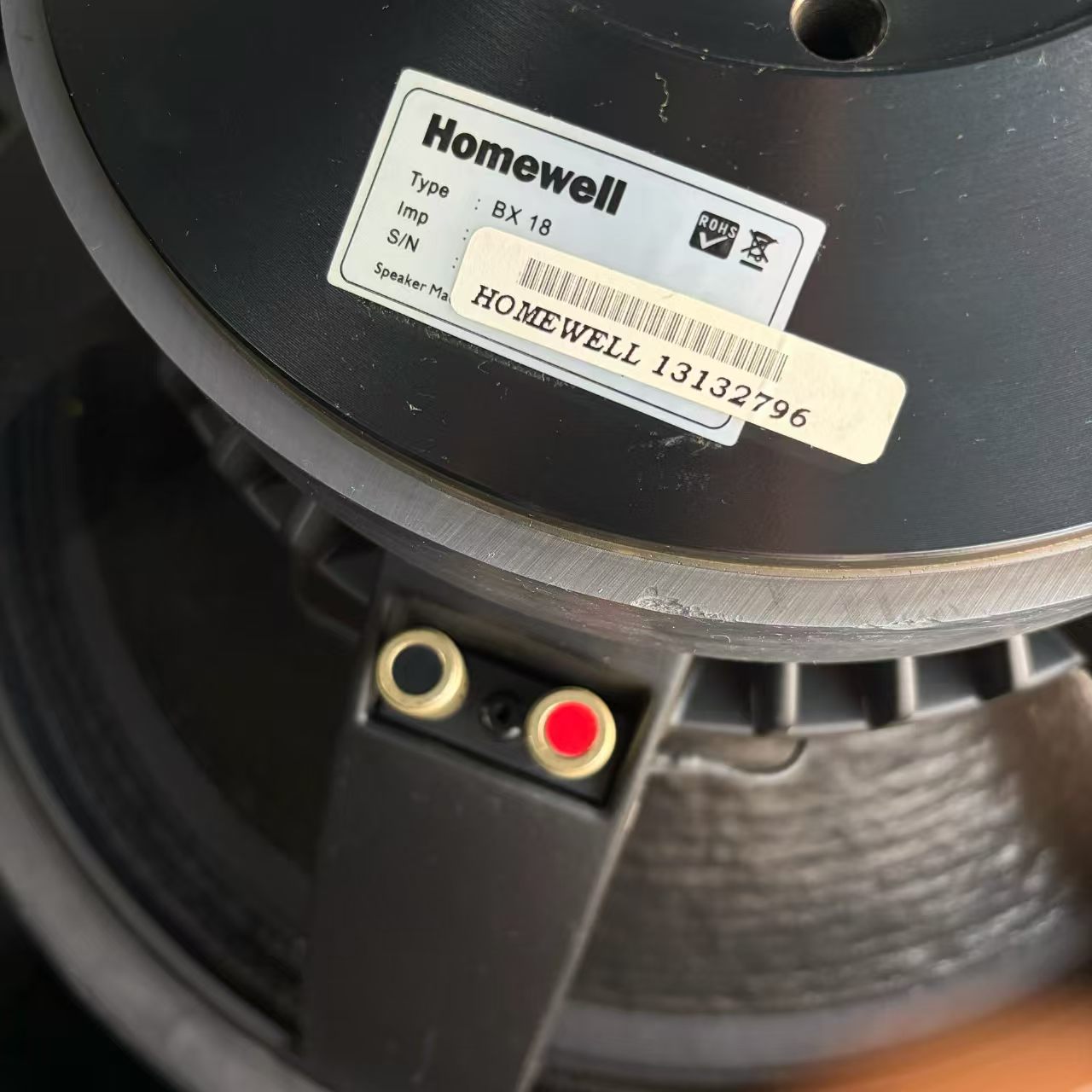
For a reliable starting point, consider the Two-Way Full-Range PA Speaker. It is a common format that is easy to service and match with subwoofers. If you need a dedicated low-frequency unit for a club system, the Homewell BX18 Loudspeaker Unit is a known option in the used market.
Where These Cabinets Fit: KTV, Bars, and Touring
KTV rooms usually need a warm, vocal-forward sound. A used full range cabinet with a 12-inch woofer and a 1-inch horn can work well if the crossover is in good shape. But KTV rooms are often small and reflective, so a cabinet with a harsh horn will fatigue singers quickly. Test with a microphone, not just music.
Bars and clubs need more output and reliability. A full range cabinet alone may not cover the low end. Many operators pair a 15-inch full range box with a subwoofer. If you are building a bar system, check our bar and club sound system page for integration ideas.
For touring, weight and rigging matter. A used cabinet with fly points that are bent or missing is a safety risk. Never fly a cabinet without rated hardware. If you are building a touring rig, look at line array elements instead of point-source full range boxes. Our used line array inspection checklist covers that process.
Questions to Ask the Seller Before You Commit
Ask for a video of the cabinet playing at high volume. Ask if the drivers are original or replaced. If replaced, ask with what. Aftermarket drivers can change the sound and power handling. Ask how the cabinets were stored. Damp warehouses ruin speakers. Ask if they have been used outdoors or in smoky environments. Smoke residue can coat drivers and cause failure.
Ask about the return policy. Even if you are buying used, a short return window is standard for reputable sellers. If the seller offers no returns, price that risk into your offer. And always ask for the serial numbers. This helps you check if the units were stolen or from a known bad batch.
Final Thoughts on Buying Used Full Range Cabinets
Used full range speaker cabinets can be a solid investment if you inspect them properly. Focus on the crossover, the drivers, and the cabinet structure. Match impedance and power to your amplifier. Test with the material you will actually play. And buy from sellers who can show you the cabinets working, not just photos.
If you are importing, read our importing used audio equipment guide to understand shipping and customs. For more specific buying advice, see the used KTV speaker buying guide.