When you're buying a used line array for concert use, the stakes are high. This isn't a bar gig where a couple of crackly speakers will do. You need a system that can throw sound hundreds of feet, handle heavy SPL night after night, and still be serviceable when something fails on the road. The good news: there are plenty of used line arrays on the market that can deliver, if you know what to look for. The bad news: plenty of sellers are offloading abused gear with hidden problems. This guide walks you through the process, from defining your needs to final inspection, so you can spend your money wisely.
Start with the Rigging: The Heart of Any Line Array
Line arrays are only as good as their flying hardware. Before you even look at the drivers, inspect the rigging frame, pick points, and quick-release pins. Look for cracks, bent metal, or excessive wear on the locking mechanisms. If the rigging is compromised, the entire array is unsafe and likely not worth the risk, no matter how good the speakers sound. Ask the seller for close-up photos of every rigging component. If they hesitate, walk away. Remember, you're not just buying sound; you're buying a structure that will hang above people's heads.
Also check the array's compatibility with your existing inventory. If you already own line array elements from a particular brand, adding mismatched boxes can create phase issues and limit your ability to scale. Used line arrays often come in blocks of four, eight, or twelve boxes. Buying a full block that matches your current system is usually better than piecing together singles.
Driver Condition: What to Look and Listen For
Drivers are the most expensive part of a line array to replace. Start by removing the grille (if permitted) and inspecting the cones for tears, creases, or signs of moisture damage. Push gently on the cone to feel for voice coil rub. A scraping sound means the driver is on its way out. For compression drivers, check the diaphragms if possible; they're delicate and often the first to fail after heavy use.
Listening tests are critical. Play a familiar track with a wide frequency range at moderate level. Listen for distortion, buzzing, or uneven response between boxes. If you can, test each box individually. A line array is only as strong as its weakest element. Also check the input connectors and internal wiring. Corroded speakON or NL4 connectors can cause intermittent dropouts that are a nightmare to troubleshoot on show day.
Amplification and Processing: Matching the System
Many used line arrays come with dedicated amplification and processing, either built-in or as separate racks. If the system includes amps, verify that they are the correct models for those cabinets. Mismatched amps can underpower or overpower the drivers, leading to poor performance or failure. Check the amp's condition: dust-clogged fans, burnt smell, or flickering LEDs are red flags.
Processing is equally important. Line arrays rely on precise DSP presets to achieve proper coupling and coverage. If the seller doesn't have the original presets, you'll need to source them from the manufacturer or a qualified tech. Without them, you're guessing, and the array won't perform as intended. Ask for documentation. If it's missing, factor in the cost of getting the system re-tuned.
Documentation and History: Know What You're Buying
A used line array with a known history is worth more than one without. Ask for service records, original purchase invoices, and any repair documentation. If the seller is a rental company, ask how many shows the system has done and whether it was used outdoors or in humid environments. Humidity is a killer for loudspeakers, especially in regions like the Middle East and South America. If the system was stored in a damp warehouse, corrosion may be lurking inside.
Also inquire about any modifications. Some owners swap drivers or bypass internal crossovers. While this can sometimes improve performance, it often introduces problems. Original condition is usually best unless the modification was done by a certified technician.
Negotiation and Logistics: Getting It Home
Once you've assessed the condition, negotiate based on facts. If drivers need re-coning, or the rigging needs re-certification, use that as leverage. Don't be afraid to walk away if the seller won't budge on a problematic system. There's always another one.
Shipping a line array is a project in itself. Crates are heavy and bulky. Get quotes from freight forwarders who specialize in audio equipment. If you're importing, check your country's regulations for used electronics and be prepared for customs duties. For more on importing, see our importing guide.
Complementary Gear: Mixers and Speakers
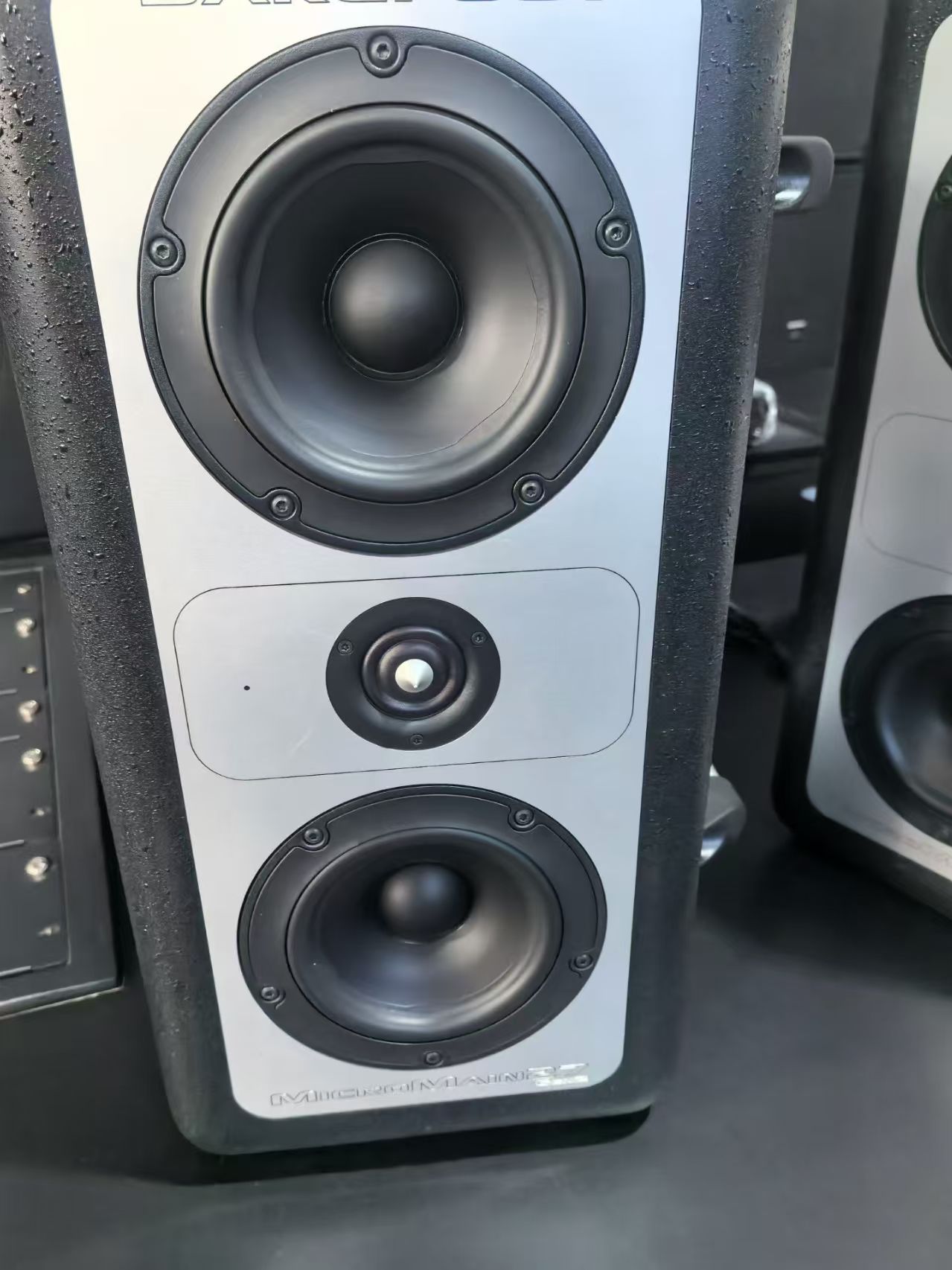
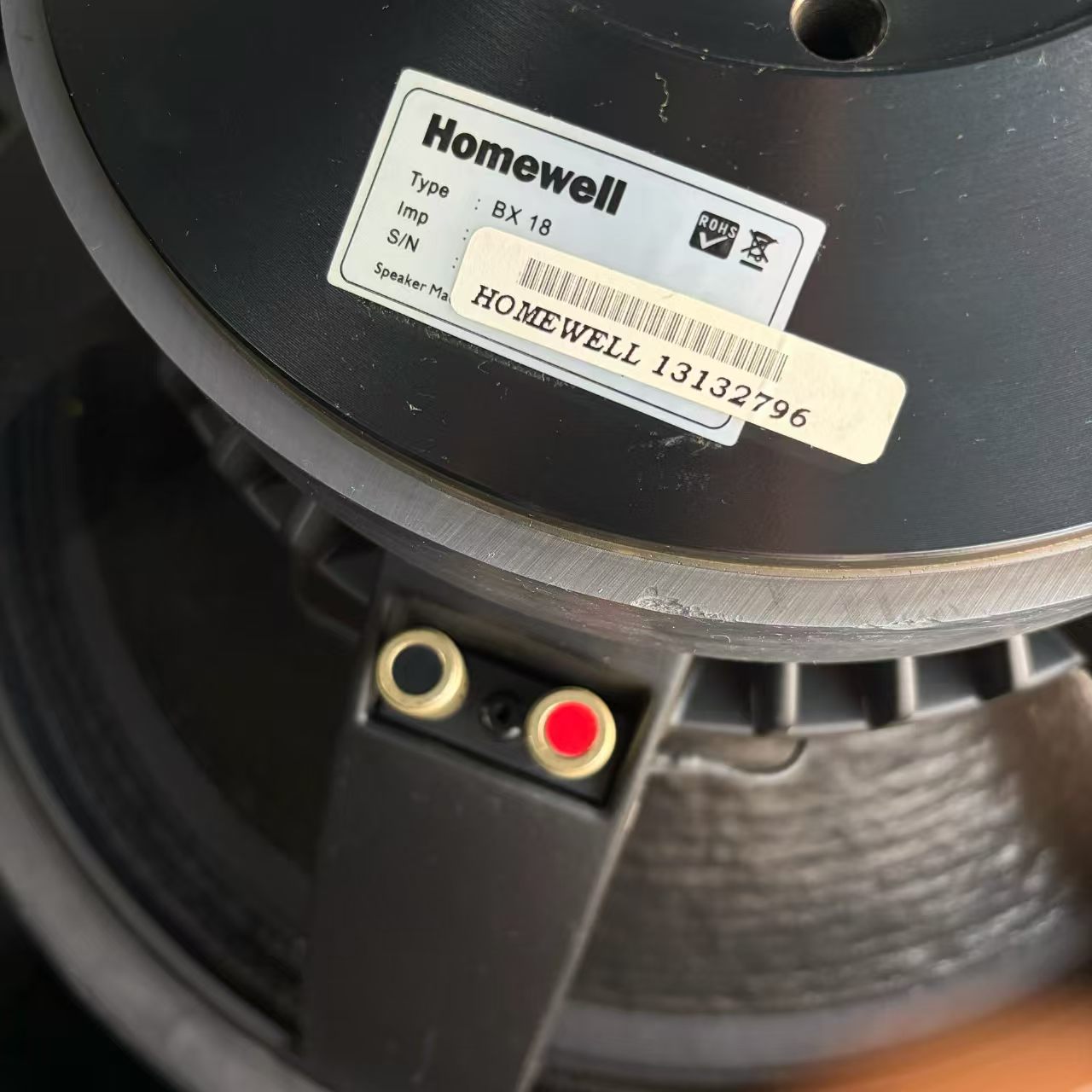
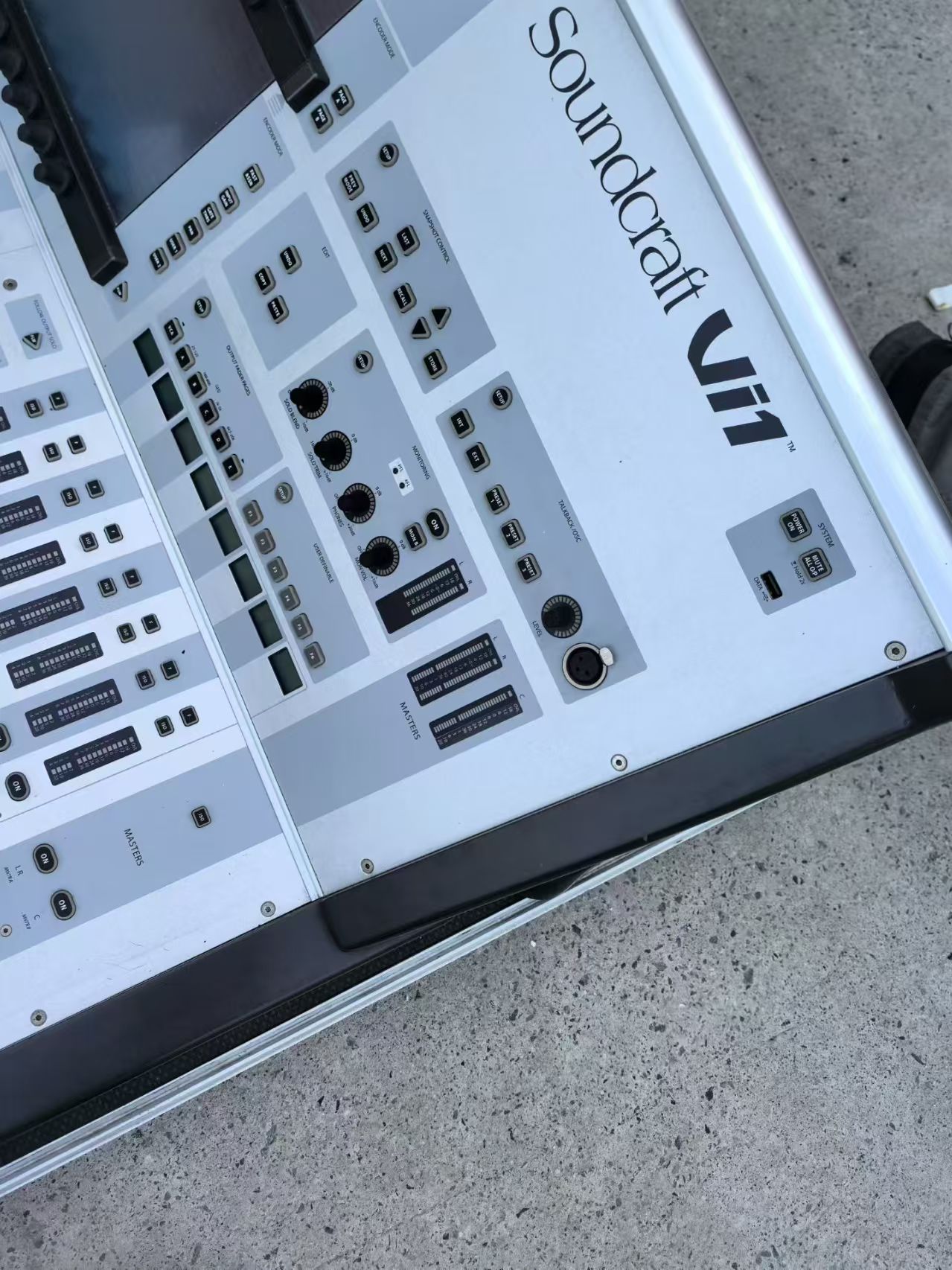
A line array is only one part of a concert system. You'll need a capable mixing console. For touring, digital mixers like the Allen & Heath SQ-6 or Soundcraft Vi1 are popular choices. Both offer reliable performance and are widely supported. If you need additional speakers for front fill or delays, consider the Two-Way Full-Range PA Speaker or the Homewell BX18 for low-end reinforcement. For a complete system design, see our concert touring solution.
Before you commit, download our used line array inspection checklist to take with you. It will help you stay organized and avoid missing critical details.