If you are searching for a used 18-inch subwoofer for concert use, you are likely equipping a touring rig, a rental fleet, or a large venue. You need subwoofers that can deliver high SPL night after night without failing. This guide covers what to inspect, how to evaluate condition, and how to avoid costly mistakes when buying used.
Why 18-Inch Subwoofers Dominate Concert Sound
An 18-inch driver moves more air than smaller cones, producing deeper bass with higher output. For live music, that translates to chest-thumping kick drum and authoritative low-end for EDM, rock, and hip-hop. Most touring subwoofer cabinets use 18-inch drivers because they offer a good balance of output, size, and weight. When buying used, you are often getting professional-grade gear at a fraction of the original cost, but condition varies widely.
Common configurations include direct-radiating subs and horn-loaded designs. Horn-loaded cabinets are more efficient but larger and heavier. Direct-radiating subs are simpler and easier to array. Know which type fits your transport and setup constraints before you shop.
Key Inspection Points for Used Subwoofers
Never buy a used subwoofer without a thorough inspection. Start with the driver: push the cone gently with your fingers. It should move smoothly without scraping or rubbing. Any scratching sound indicates a damaged voice coil or misaligned motor. Check the surround for cracks or separation from the cone. Look at the spider (the corrugated suspension) for sagging or tears.
Next, examine the cabinet. Wood cabinets should be free of major cracks, water damage, and delamination. Pay attention to the baffle and mounting points—stripped screw holes can be repaired, but multiple issues suggest abuse. For plastic cabinets, look for cracks around handles and mounting flanges.
Test the terminals and wiring. Corroded or loose connections can cause intermittent dropouts. If possible, power the subwoofer with a test tone and listen for distortion, buzzing, or rattling. A sub that sounds clean at low volume may still have issues at high excursion, so if you can, push it moderately.
Finally, check the overall condition of the grille, handles, and rigging points. For touring, rigging hardware must be intact and functional. Missing or bent rigging parts can be a safety hazard and expensive to replace.
Matching Subwoofers to Your System
Used subwoofers come in many impedance and power ratings. Make sure they match your amplifier capabilities. For example, if your amp is stable at 4 ohms per channel, you need subs that present a compatible load when wired together. Mismatched impedance can cause overheating or poor performance.
Consider the crossover point and frequency response. Most concert subs operate from about 30 Hz to 100 Hz. If you are adding subs to a full-range system, you will need a crossover to blend them properly. Many modern digital mixers, like the Allen & Heath SQ-6, include processing for subwoofer integration.
Also think about physical dimensions and weight. If you are flying subs, check that the cabinet has proper flyware. Ground-stacked subs are easier to handle but take up floor space. Plan your transport and storage accordingly.
Buying in Bulk: What to Look For
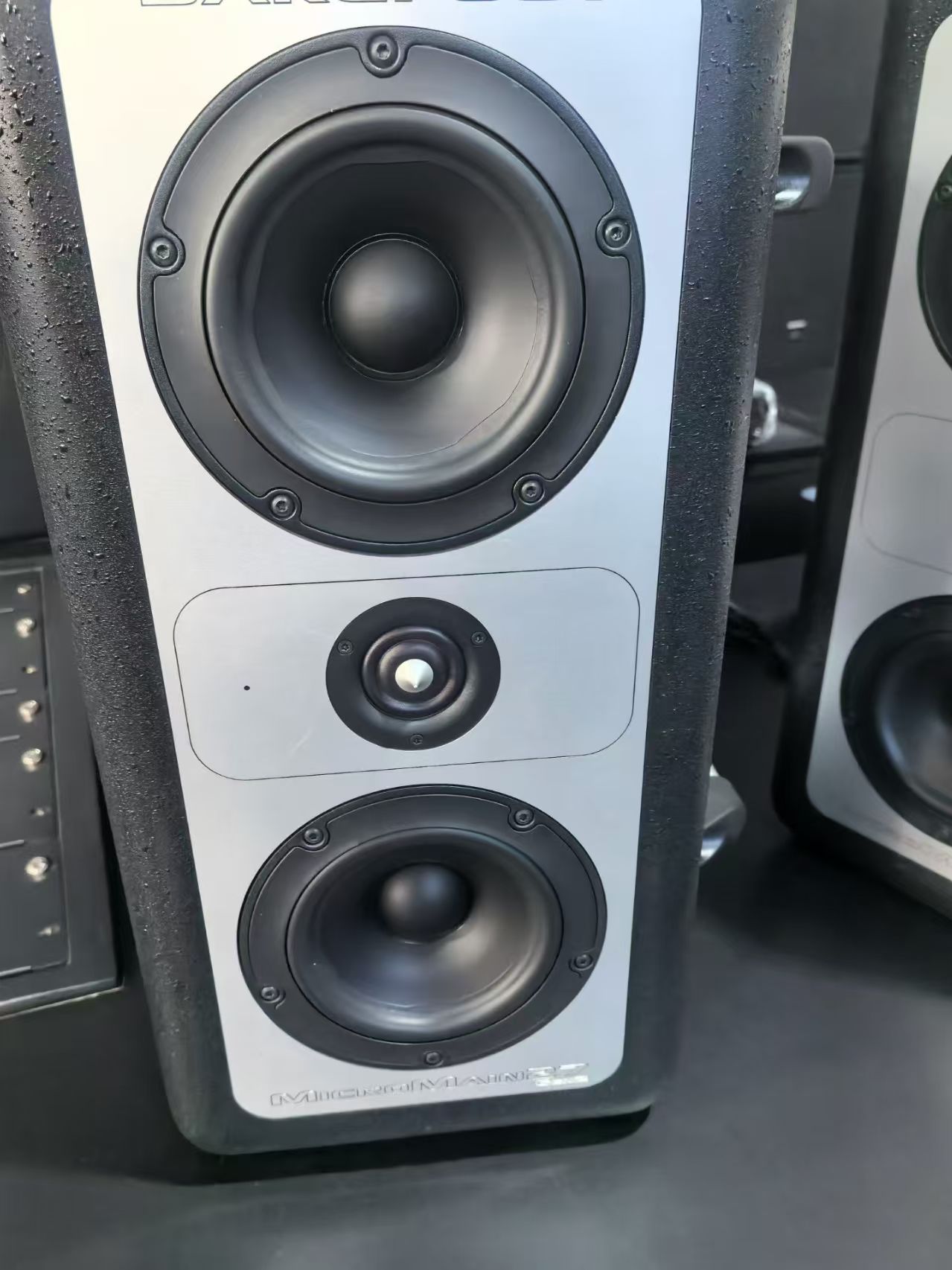
If you are buying multiple subwoofers, consistency is key. Ideally, all units should be the same model and have similar wear. Mixing different models can lead to uneven response and phasing issues. Ask the seller for detailed photos of each unit, including close-ups of the driver, cabinet, and connectors.
Request a video of each subwoofer playing a test tone. This gives you a sense of its working condition. If buying from overseas, clarify who handles shipping and any customs documentation. For more on importing, see our importing used audio equipment guide.
When evaluating a large lot, consider the cost of refurbishment. Recone kits and replacement parts may be available, but factor in labor and downtime. Sometimes a slightly higher price for better-condition units saves money in the long run.
Alternatives and Related Gear
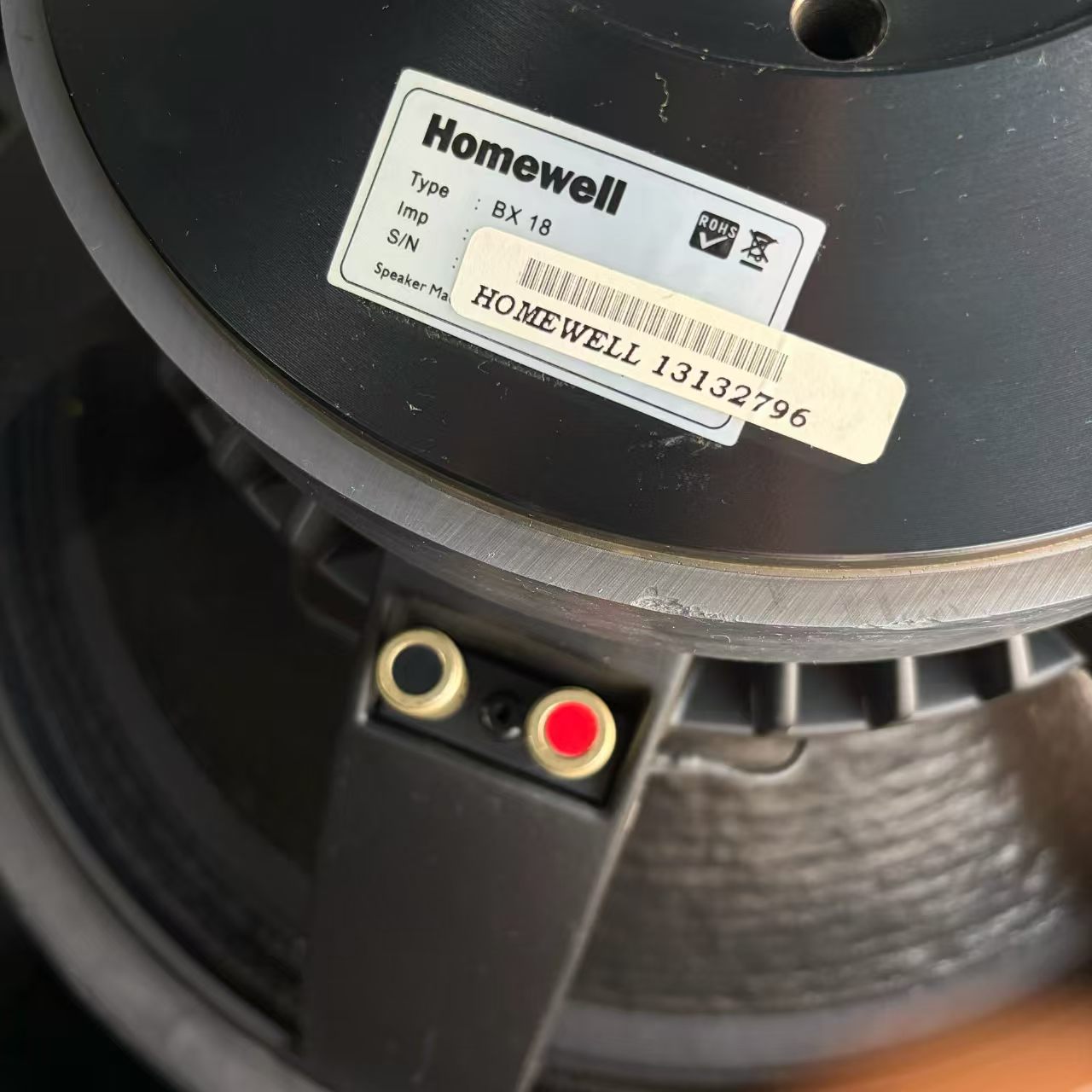
While 18-inch subs are the standard for concert low-end, some operators also use dual 18-inch cabinets for even more output. If you need full-range tops to go with your subs, look at our two-way full-range PA speaker. For KTV or bar applications where space is tight, a high-output 18-inch sub like the Homewell BX18 can be a solid choice, though it is primarily designed for installation use.
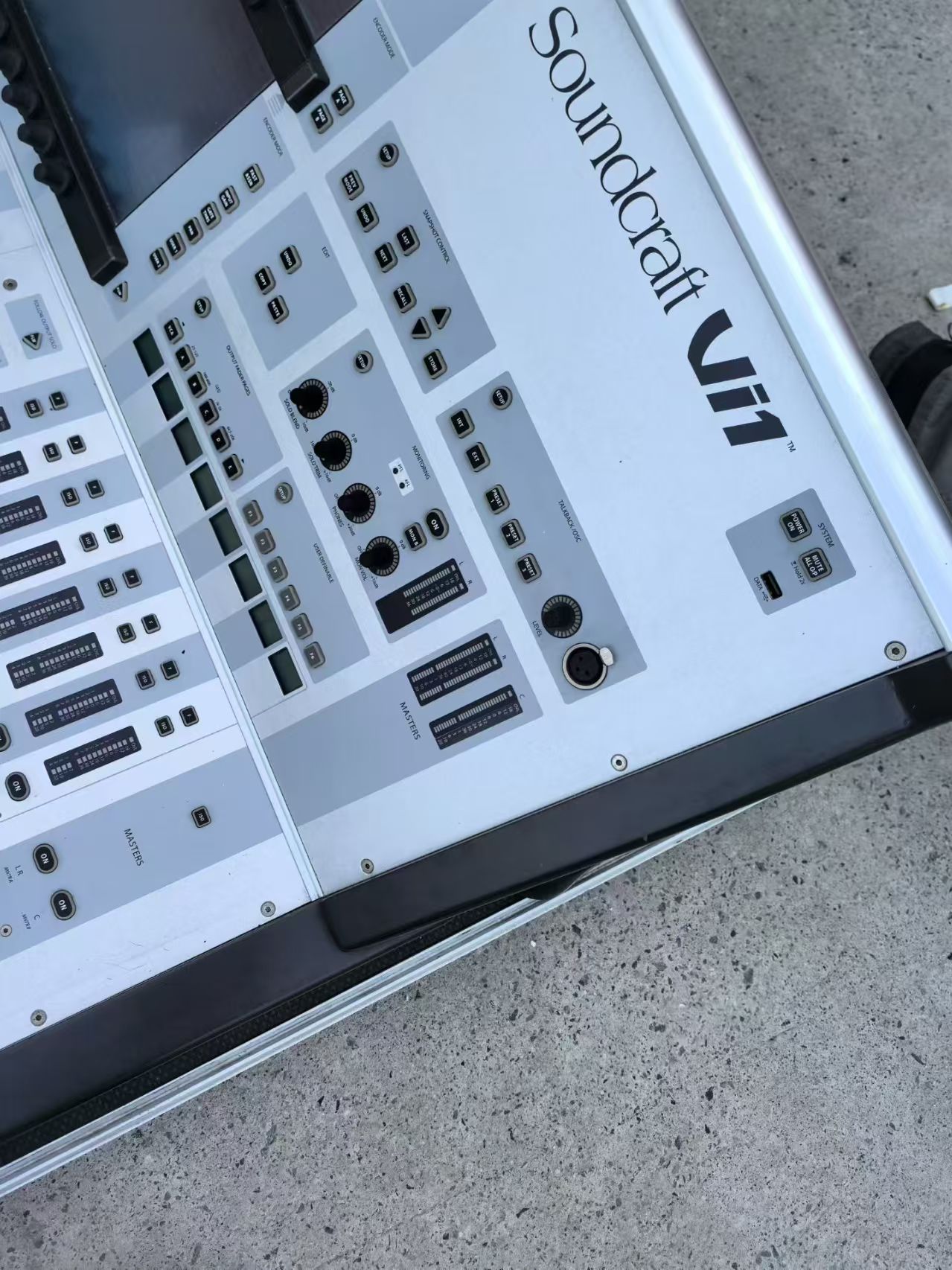
If you are building a complete concert system, you will also need a reliable mixer. Check our rankings of best used digital mixing consoles for options.
Final Checklist Before You Commit
Before you pay, confirm the following: driver condition (no rubbing, torn surround, or voice coil damage), cabinet integrity, working connectors, and included accessories (grilles, casters, covers). Ask about the history—was it used in a fixed install or on the road? Touring gear often shows more wear but may have been maintained regularly.
Get a written condition report if possible. If the seller cannot provide one, factor in the risk. Remember that used equipment is sold as-is unless stated otherwise. For a broader overview of used speaker buying, see our used KTV speaker buying guide.
With careful inspection and realistic expectations, you can find used 18-inch subwoofers that deliver professional performance at a fraction of the cost of new. Take your time, ask questions, and prioritize condition over cosmetics.