If you run a KTV, tour sound company, bar, or club, a speaker management system is the brain that protects your speakers and ensures consistent sound. Buying used can save money, but only if you know what to look for. This guide covers the essentials for volume buyers in Russia, the Middle East, South America, and Africa.
What a Speaker Management System Actually Does
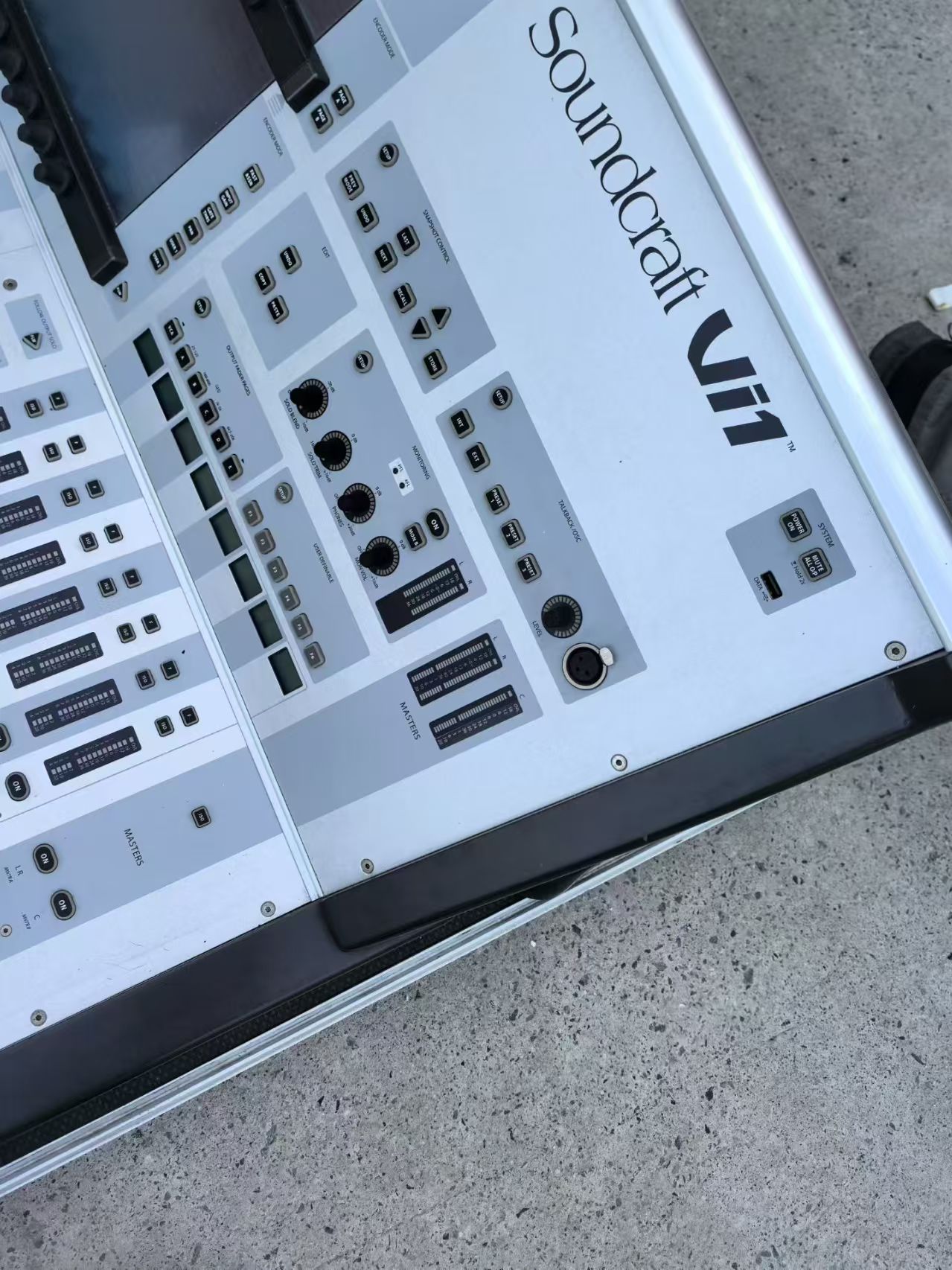
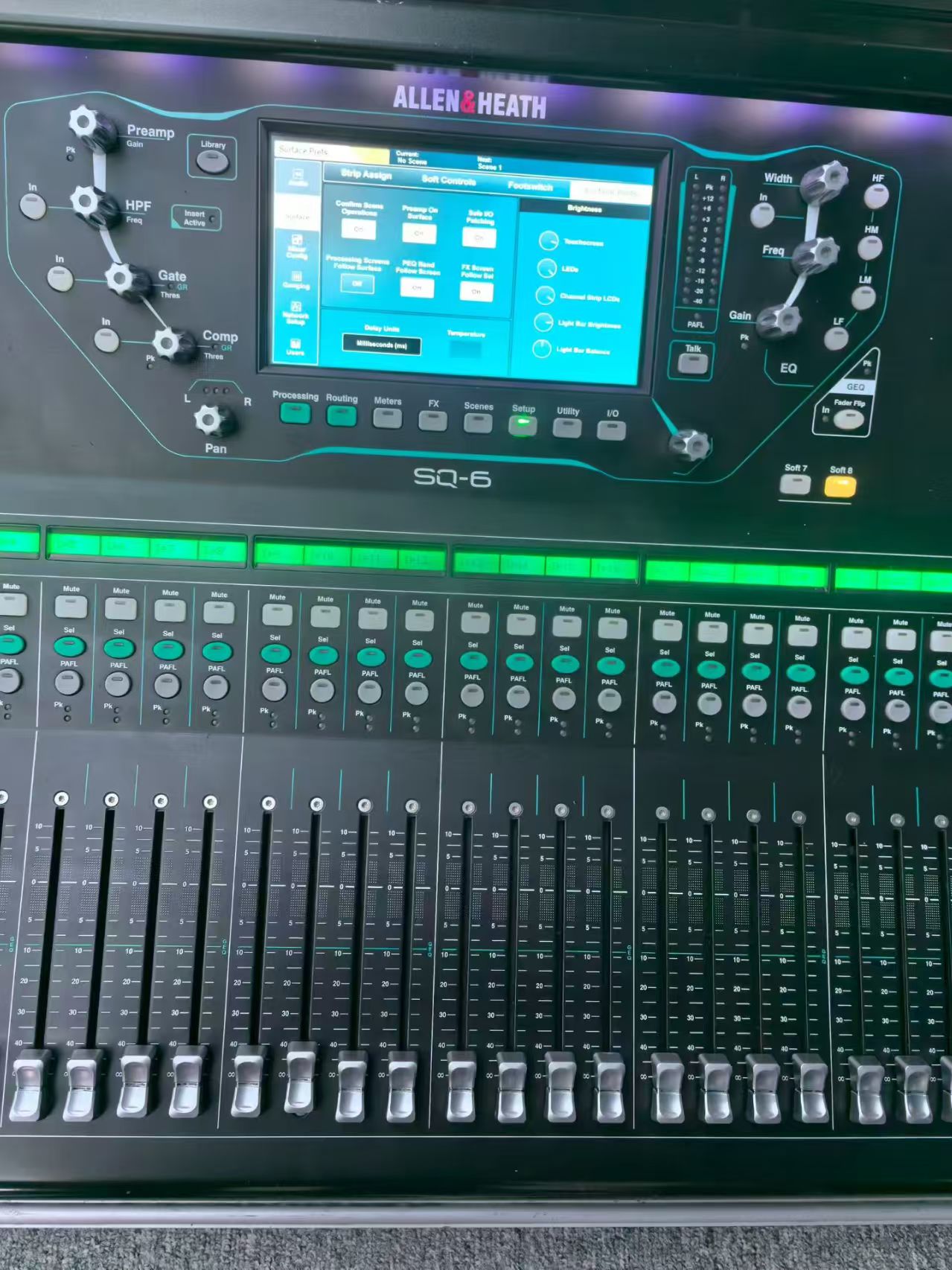
A speaker management system handles crossover, EQ, limiting, and delay for your PA. It sits between your mixer and amplifiers. In used gear, you will find dedicated processors from brands like dbx, BSS, Xilica, and Lake, as well as digital mixers with built-in processing. For many smaller systems, a digital mixer like the Allen & Heath SQ-6 or Soundcraft Vi1 can replace a standalone management system, offering EQ, dynamics, and delay on outputs.
Why Buy Used Instead of New
New management systems are expensive, and the technology does not change as fast as phones or computers. A well-maintained used unit can deliver the same results for a fraction of the cost. For volume buyers, used gear means you can equip multiple rooms or a touring rig without blowing your budget. The key is buying from a supplier who tests and verifies condition, not just sells as-is.
Key Checks Before You Buy
When inspecting a used speaker management system, start with the power supply. Ask for a photo of the internal boards if possible. Look for bulging capacitors, burn marks, or signs of liquid damage. Next, test every input and output. Play pink noise through each channel and verify that the signal is clean, without crackles or dropouts. Check the display and buttons; a failing screen can be a dealbreaker because replacements may be hard to find.
For digital mixers used as management systems, verify that all firmware updates are applied and that the unit boots without errors. The Allen & Heath SQ-6 and Soundcraft Vi1 are popular choices because they offer extensive output processing. A used SQ-6 can handle monitor mixes, EQ, and delay for multiple zones, making it a versatile alternative to a dedicated processor.
Compatibility with Your Existing Gear
Make sure the used unit has the right connectors for your amplifiers and speakers. Balanced XLR and TRS are standard, but some older units use Phoenix connectors. Check that the output voltage matches your amplifier's input sensitivity. If you plan to use it with a digital snake or network audio, confirm that the unit supports the protocol your system uses, such as Dante or AES50.
Also consider the user interface. A unit with a steep learning curve might slow down your operators. If you are buying for a KTV chain, simplicity matters. For touring, advanced features like limiters and parametric EQ are essential.
Where to Find Reliable Used Units
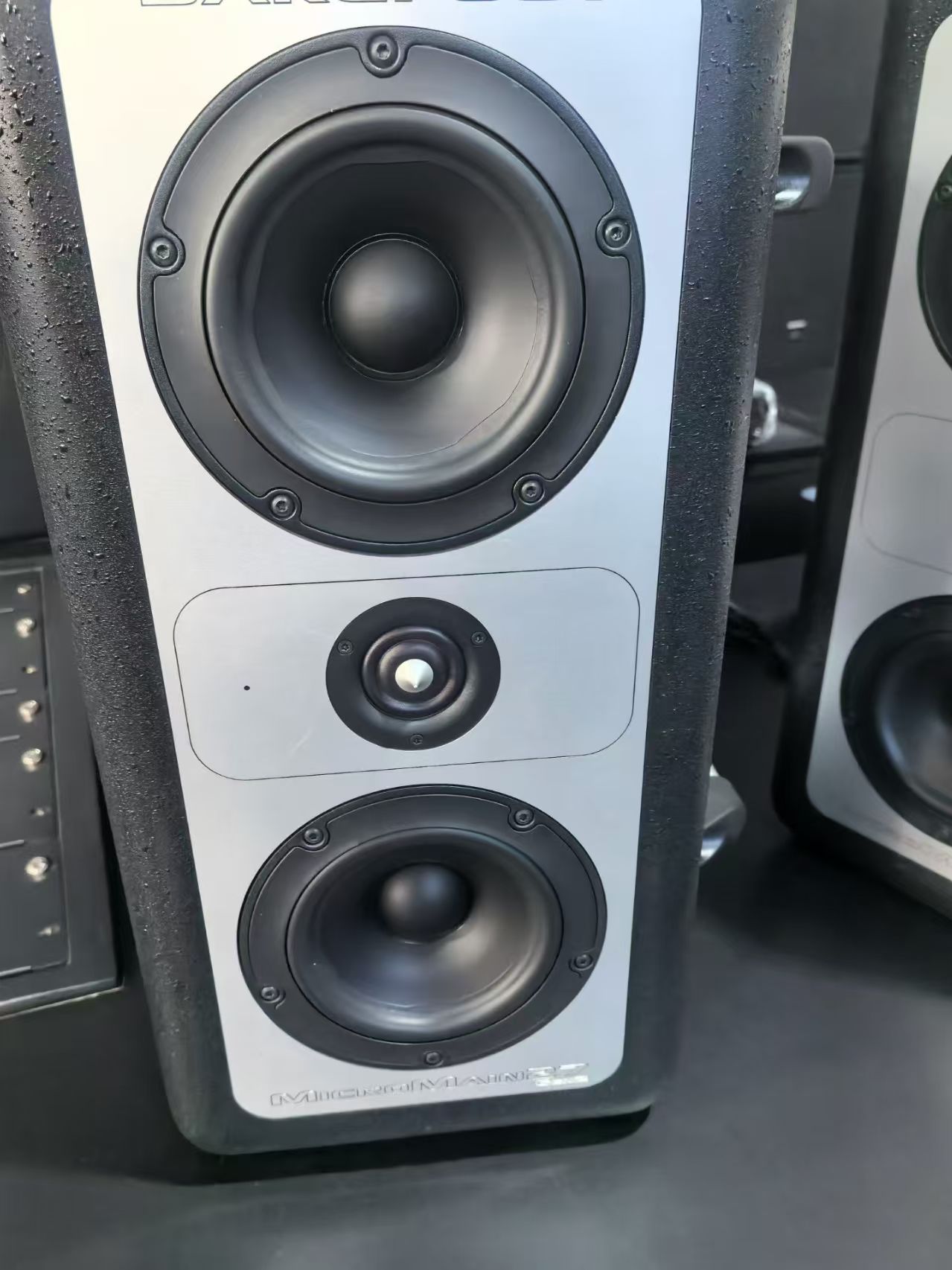
Reputable suppliers test used gear before listing. At Panda Acoustics, we specialize in tested used professional audio equipment for volume buyers. We do not just power on a unit and call it good; we run signal through every channel and verify performance. Browse our products to see current inventory, including digital mixers and speakers. For a deeper dive into buying used PA gear, read our wholesale guide.
Price and Value: What to Expect
Prices for used speaker management systems vary widely based on brand, condition, and features. We do not publish fixed prices because market conditions change. Instead, we encourage you to contact us with your requirements, and we will provide a quote based on current availability. Remember that the cheapest unit is not always the best value; a tested unit with a warranty (even a short one) can save you money on repairs.
Final Checklist for Volume Buyers
Before you commit, ask for: detailed photos, a signal test report, and a list of included accessories (power cable, manual, rack ears). Confirm the return policy and warranty terms. If you are buying multiple units, request a bulk quote. For more tips on importing used audio equipment, see our importing guide.
With careful inspection, a used speaker management system can be a reliable workhorse for years. Choose a supplier who understands your market and stands behind their gear.