When you search for a used Pioneer CDJ for sale, you are not shopping for a collectible. You are buying a tool that will be ridden hard in a KTV room, a touring rack, or a club booth. The gap between a working unit and a dead one is often invisible in photos. This guide covers what actually matters when you are about to spend money on used CDJs in volume.
Why Used CDJs Still Move in Volume
Pioneer CDJs built their reputation on the club standard layout and reliable cueing. For KTV operators and touring companies in Russia, the Middle East, South America, and Africa, new units are often priced out of reach when you need ten or twenty of them. Used units from rental fleets and venue upgrades fill that gap. The catch is that not every used CDJ has been treated the same way. A unit that lived in a fixed install with a dust cover is a different animal from one that toured in a flight case without climate control.
What to Inspect on a Used CDJ Before You Commit
Ask for specific evidence, not general assurances. The mechanical parts wear first: jog wheel bearings, cue and play buttons, and the disc tray or USB slot depending on the model. Request a short video of the unit powering on, reading a USB stick or CD, and playing through a full track with no skipping. Listen for fan noise and check that the display has no dead pixels or burn-in. On the rear panel, look at the RCA and digital outputs for corrosion or bent pins. If the seller cannot provide a video, treat that as a data point.
Firmware version matters more than most buyers realize. Older firmware can limit USB compatibility and beat analysis accuracy. Ask which version is installed and whether it can be updated. If the seller does not know, that tells you something about how the unit was maintained.
Common Failure Points and What They Cost You
The most frequent issues on used CDJs are worn jog wheels, sticky buttons, and USB ports that no longer hold a drive securely. These are repairable, but the repair cost and downtime add up across a batch. If you are buying five or more units, budget for at least one or two needing service. Ask the seller whether the units have been opened, and if so, by whom. A unit that has been serviced by a qualified tech is not a red flag, but a unit with mismatched screws and no service history is.
For a broader view of what can go wrong with used audio gear, the used line array inspection checklist covers parallel issues in speakers and amps that apply to any used purchase.
Pairing CDJs With the Right Mixer and PA
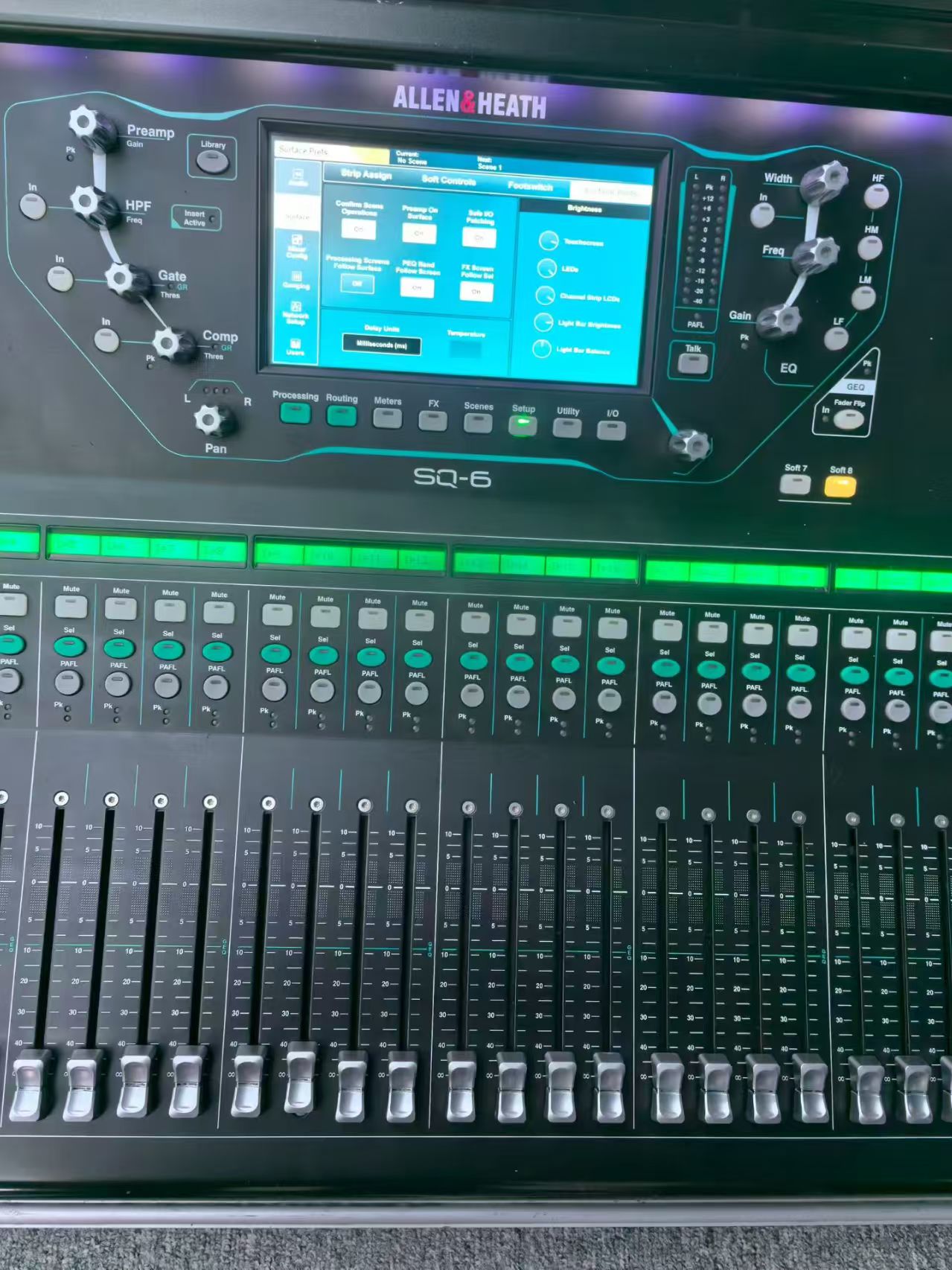
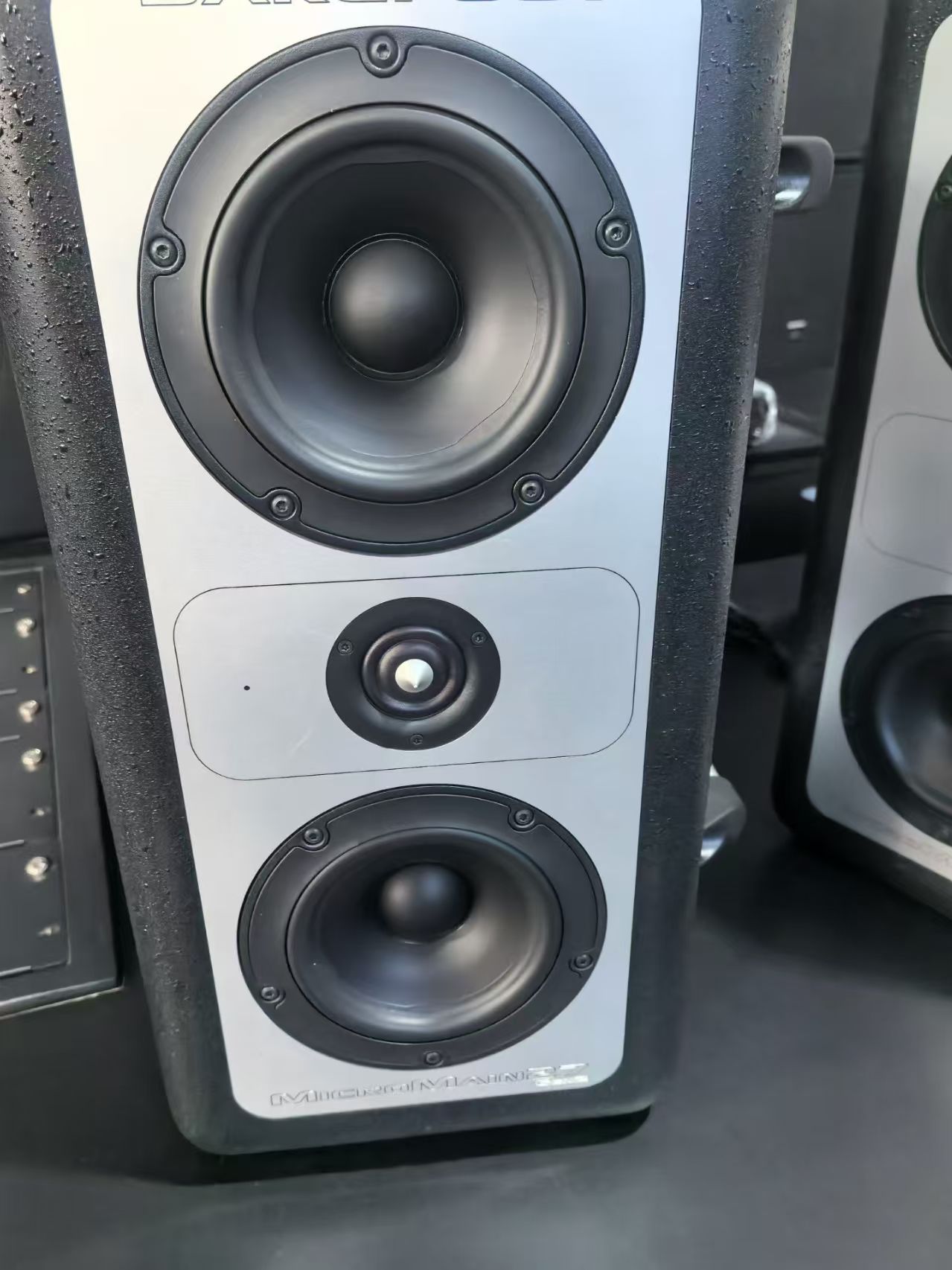
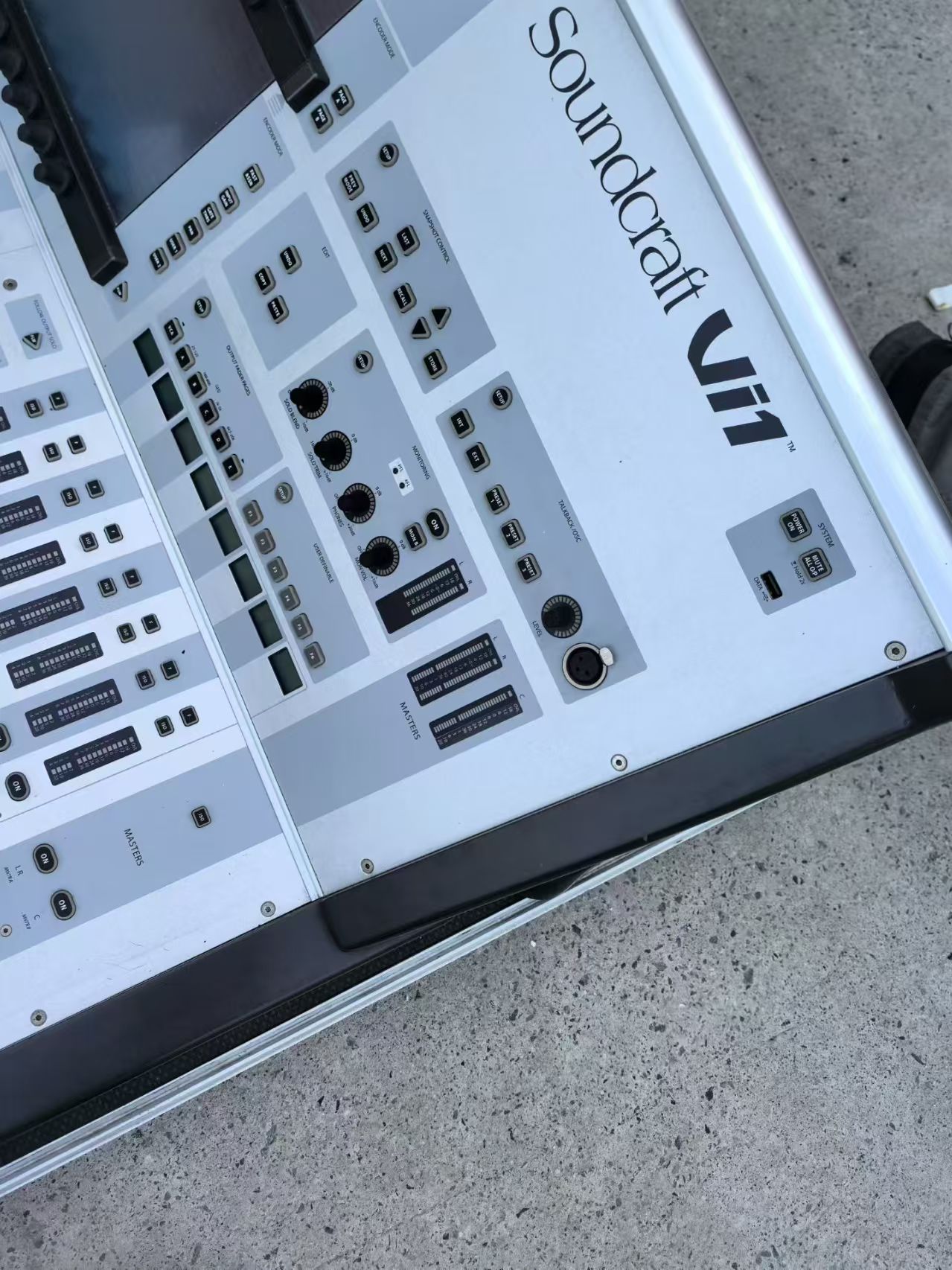
A CDJ is only one link in the chain. If you are building or refreshing a KTV or club system, the mixer and speakers matter just as much. For digital mixing, the Allen & Heath SQ-6 is a common choice for venues that need flexible routing and a compact footprint. The Soundcraft Vi1 is another option for larger installs where channel count and scene recall are priorities. For output, the two-way full-range PA speaker and the Homewell BX18 cover different room sizes and SPL needs. None of these are CDJs, but they are the components buyers often source in the same order.
Where to Buy Used CDJs Without Guesswork
Private sellers on marketplaces are hit or miss. Rental companies clearing inventory are usually more predictable because the gear has been maintained to a standard. The best approach is to buy from a supplier that tests units before listing and can describe the condition in plain terms. Panda Acoustics supplies tested used professional audio equipment to volume buyers, and the same discipline applies whether the item is a mixer, a speaker, or a media player. You can see the current categories on the products page.
If you are also sourcing speakers or amps, the used PA speakers wholesale guide and the used power amplifier guide walk through the same inspection logic for those categories.
Questions to Ask Before You Pay
Get answers in writing to these: How many hours of use? Has it been serviced, and by whom? Are all buttons and the jog wheel responsive? Does it read USB and CD without skipping? Is the firmware current? What is the return policy if a unit fails on arrival? A seller who answers these clearly is easier to work with than one who only sends glossy photos. For import and logistics questions, the importing used audio equipment guide covers the paperwork side.
None of this replaces a hands-on test if you can arrange one. But if you are buying remotely, a structured checklist and a seller who tolerates detailed questions will save you more money than any discount.