If you are shopping for a used concert sound system, you are not looking for a story. You are looking for boxes that work, at a price that leaves room for profit or for the show to go on. This guide covers what actually matters when you are standing in front of a pallet of used gear, or reviewing photos and test data from a supplier overseas.
Concert sound systems are not a single product. They are a chain: sources into a mixer, out to processors and amplifiers, then to speakers and subwoofers. A weak link anywhere in that chain will cost you more than the money you saved. So the buying decision is less about one bargain and more about whether the whole system can be made road-ready.
Start with the mixer, because everything routes through it
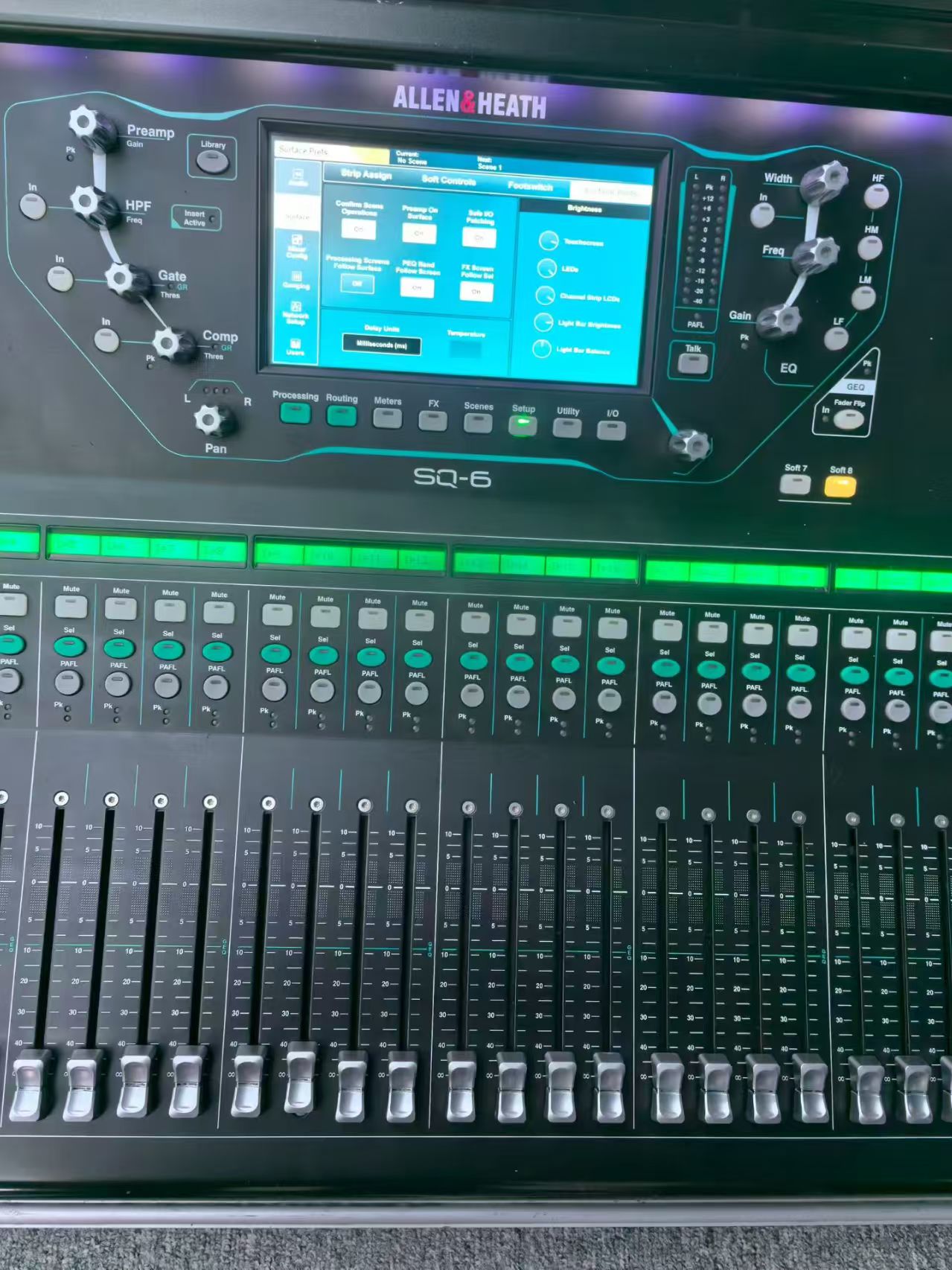
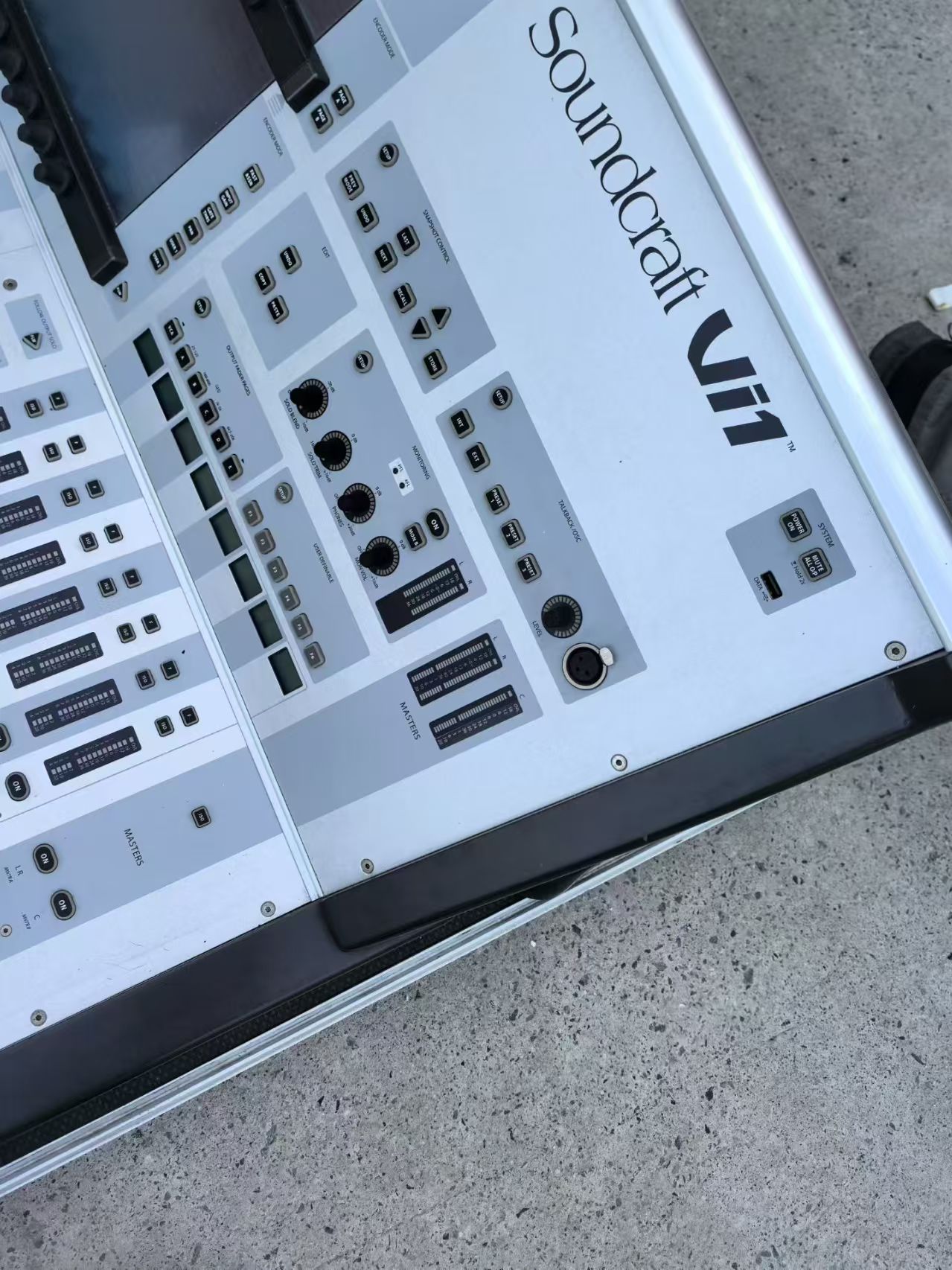
The console is the control point. In the used market, two models come up often enough to be worth knowing: the Soundcraft Vi1 and the Allen & Heath SQ-6. Both are digital, both have been used on real tours, and both have known service histories.
With the Vi1, ask for a full channel-by-channel test. Faders, encoders, and touchscreen response are the usual wear points. If the seller cannot show you a working session with every input and output exercised, treat it as a repair project, not a working console. The SQ-6 is generally simpler to verify because the workflow is more self-contained. Still, check the screen, the layer buttons, and whether the firmware can be updated. A console that will not update may still work, but you are locking yourself out of future support.
For a deeper comparison of these two, see our SQ-6 vs Vi1 breakdown. If you are building a ranked shortlist, the used digital mixing consoles ranking is a useful starting point.
Speakers: full-range boxes and what they can actually do
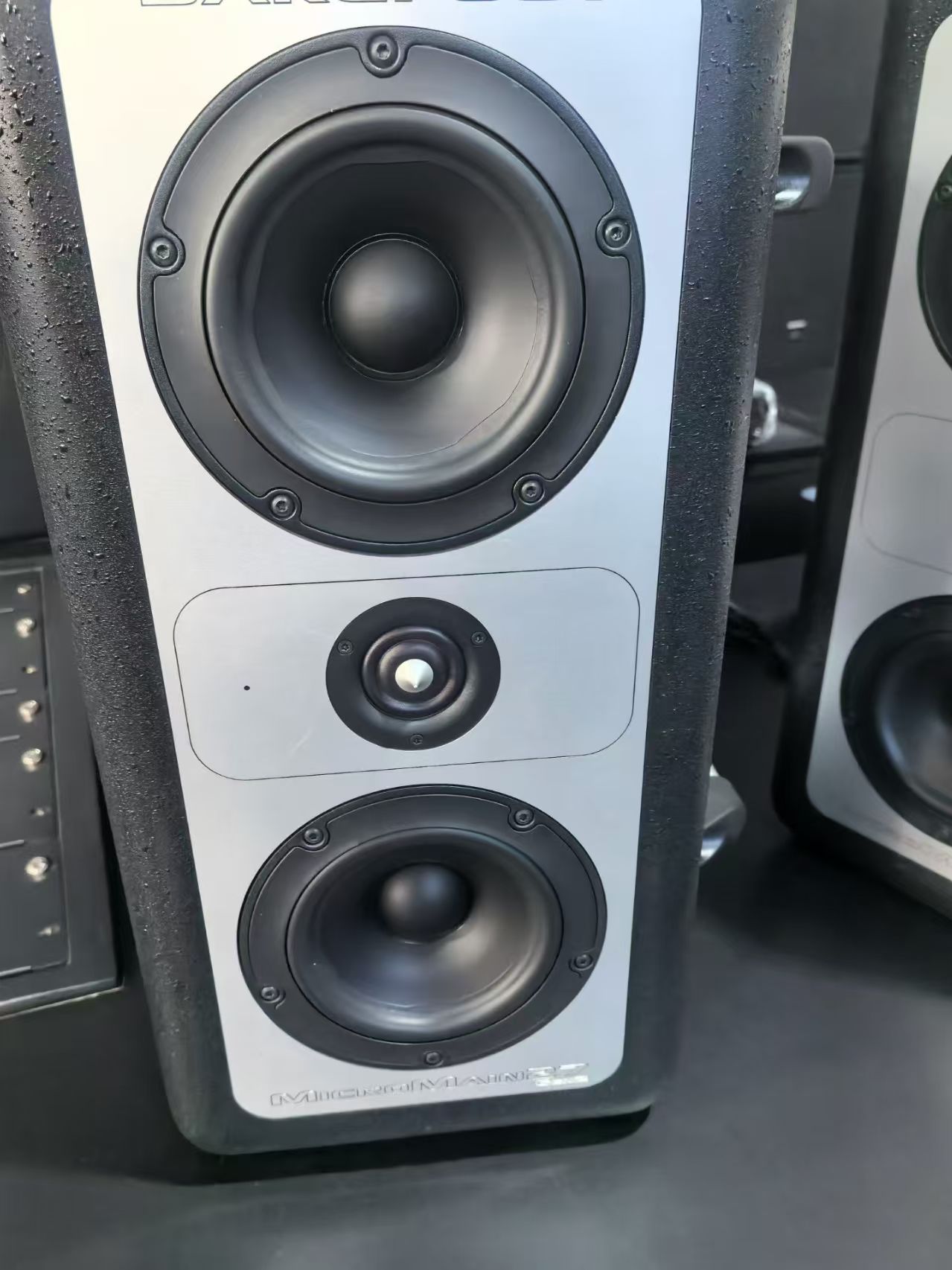
In a concert system, full-range cabinets often handle the mid-high content, sometimes as a standalone PA for smaller venues or as part of a larger array. A used two-way full-range PA speaker is a common building block. When you inspect them, do not just look at the cone. Push the cone gently and listen for scraping. Check the horn driver for any sign of being overdriven. Look at the cabinet corners and mounting points, because a box that has been dropped may still sound fine until it is flown.
The Homewell BX18 is a loudspeaker unit that appears in used inventories and is often used where output per box matters. Ask for an impedance sweep if available, and confirm the original driver is still installed. Swapped drivers are common in used gear, and they change the performance you are paying for.
For more on evaluating used speakers, our full-range cabinet buying guide and best used PA speakers ranking go deeper.
Subwoofers: the part that gets abused
Subwoofers in touring systems live hard lives. They are driven to their limits, moved constantly, and often stored in damp conditions. When buying used subwoofers, the key checks are the cone, the surround, and the voice coil. A recone is not automatically a dealbreaker, but it should be disclosed. If you cannot confirm the driver history, price the box as if it needs new drivers.
Pairing matters. Two mismatched subs will never give you the low-end consistency a concert system needs. If you are buying in volume, try to source matched pairs or complete sets. Our used subwoofer pair guide and 18-inch subwoofer concert guide cover this in detail.
Amplifiers and processing: the hidden cost
A used concert system often comes without amplifiers, or with amplifiers that are older than the speakers. This is where budgets break. Before you commit, decide whether you are buying a complete system or building one. If you are building, budget for amplifiers and processing that match the speakers you choose. A used power amplifier may be a good value, but only if it has been tested under load. Ask for test results, not just photos.
See our used power amplifier for PA systems and professional audio amplifier buying guide for the checks that matter.
What to ask before you wire a deposit
Every serious used gear purchase starts with questions. Ask for a video of the system powered up and passing signal. Ask which parts are original and which have been replaced. Ask how the gear was stored. Ask if it was used in fixed installs or on the road. Road gear is built for it, but it also wears faster. Fixed install gear may be cleaner but less road-ready.
If the seller cannot answer these questions, that is your answer. Move on.
For cross-border purchases, our importing used audio equipment guide covers the paperwork and inspection side. If you are outfitting a specific venue type, the concert touring system, KTV sound system, and bar and club sound system pages show how these components come together.
Condition language you should expect
Suppliers who deal in volume use condition grades. These are not standardized, so ask what each grade means for that specific seller. In general, tested used means the unit has been powered up and basic functions verified. It does not mean like new. If you need a warranty, ask what is covered and for how long. If the answer is vague, assume there is none.
At Panda Acoustics, we supply tested used professional audio equipment to KTV operators, touring companies, bars, and clubs. We do not claim to be the biggest or the cheapest. We focus on accurate condition descriptions and real test data, because that is what repeat buyers actually need. You can see current inventory on our products page or contact us with your system requirements.